


In a Nutshell
Peptides are short chains of amino acids — the building blocks of proteins — that act as signaling molecules: they tell cells to do things.
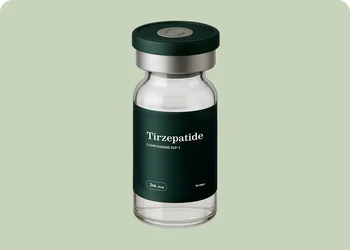
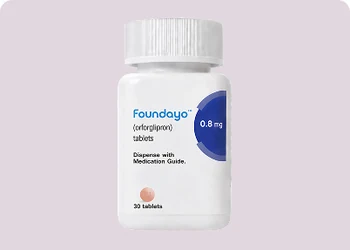
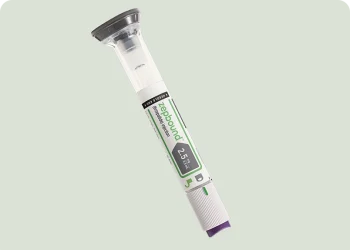
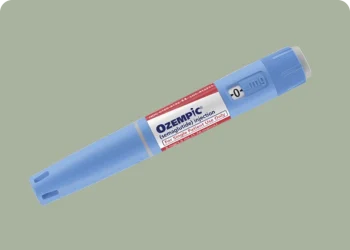
Your body makes thousands of them. Insulin is a peptide. So are the GLP-1 hormones that Ozempic® and Zepbound® imitate.
"Peptide therapy" as marketed usually means something narrower and much less settled: a set of synthetic peptides sold for recovery, sleep, body composition, cognition and healthy aging, most of which are not FDA-approved, and many of which have little or no controlled human evidence behind them.
That does not make the category worthless. It makes it one where the peptide's indication, evidence and regulatory status matter first — and where clinical supervision and a properly sourced preparation then reduce the additional prescribing and product-quality risks. Neither can turn an unproven therapy into a proven one. A well-characterized peptide from a licensed pharmacy, prescribed after a clinical assessment, is a genuinely different proposition from an unverified vial bought online — even when the label says the same word.
Limited human evidence also does not mean a peptide can never be considered. For a specific goal, a clinician may judge that a peptide is reasonable to try for a particular person: prescribed under informed consent, with the evidence gaps stated plainly, a goal agreed in advance, monitoring along the way, and a decision at the end about whether it is helping. In effect it is a supervised trial for one person rather than a promised result. Clinicians who prescribe peptides this way report that some people benefit meaningfully. That is clinical experience rather than trial evidence, which is why the trial belongs inside a supervised plan. The section How a Supervised Peptide Trial Works, below, sets out what that involves.
This guide covers what peptides do, which ones are legal in what sense, what the July 2026 FDA advisory vote actually changed, and how to evaluate what you are being offered.
Quick Answer: Is Peptide Therapy Legitimate?
Parts of it, yes — with three important qualifications.
- Several peptides are fully FDA-approved medicines, including tesamorelin (Egrifta) and bremelanotide (Vyleesi — the molecule sold as PT-141), plus the GLP-1 medications used in medical weight loss.
- Many popular peptides are not approved. Some may be compounded for an identified patient where the applicable federal and state requirements are met; others are not eligible for lawful patient compounding at all. Compounded preparations are not FDA-approved — FDA does not review them for safety, efficacy or quality before they reach patients.
- A large share of what is sold online is "research-grade", labeled not for human use, with no requirement to be sterile, correctly dosed, or to contain what the label says.
The word "peptide" tells you nothing about which of those three applies. See Are Peptides Legal in the US? for the detail.
At a Glance: Common Peptides and Their Current Status
| Peptide | Commonly discussed for | FDA status (Jul 2026) |
|---|---|---|
| Sermorelin | Growth hormone support, sleep, recovery, body composition | Compounded; not FDA-approved. Adult outcome evidence limited |
| BPC-157 | Tissue and gut healing, recovery | Not approved. Favorable advisory vote Jul 2026, not actioned |
| TB-500 | Recovery, soft-tissue healing | Not approved. Favorable advisory vote Jul 2026, not actioned |
| GHK-Cu | Skin (collagen support), hair; alone or in "GLOW" / "KLOW" blends | Not approved. Non-injectable forms in 503A Category 1; injectable-route nomination withdrawn |
| KPV | Inflammation, wound healing | Not approved. Favorable advisory vote Jul 2026, not actioned |
| MOTS-c | Metabolism, cellular energy | Not approved. Favorable advisory vote Jul 2026, not actioned |
| Epitalon | Healthy aging, sleep | Not approved. Favorable advisory vote Jul 2026, not actioned |
| Semax | Cognition, focus | Not approved. Favorable advisory vote Jul 2026, not actioned |
| DSIP (emideltide) | Sleep | Not approved. Advisory vote declined Jul 2026 |
| Tesamorelin (Egrifta) | Visceral fat in HIV lipodystrophy | FDA-approved for its labeled indication |
| Bremelanotide (Vyleesi), also known as PT-141 | Low sexual desire (premenopausal women) | FDA-approved for its labeled indication |
| Elamipretide (Forzinity), also known as SS-31 | Barth syndrome, a rare mitochondrial disease (muscle strength; accelerated approval) | FDA-approved for its labeled indication |
What Peptides Actually Do
A peptide is a chain of amino acids, the building blocks of proteins — shorter than a protein, longer than a single amino acid. Their function is signaling: they bind receptors and instruct cells.
Peptide medicine is not new or fringe. Insulin has been in clinical use for over a century. GLP-1 receptor agonists — the basis of modern medical weight loss — are peptide drugs. What is new is the marketing of a wider set of synthetic peptides for wellness goals, often ahead of the evidence that would normally support such use.
Broadly, the peptides discussed in this category fall into a few functional groups:
- Growth hormone secretagogues (sermorelin, CJC-1295, ipamorelin, tesamorelin) — these prompt your pituitary to release more of your own growth hormone, rather than supplying growth hormone directly. Endogenous feedback is retained, which is a real mechanistic difference — though it does not guarantee hormone levels stay within range
- Tissue repair peptides (BPC-157, TB-500) — proposed to support healing and recovery of tendon, ligament, muscle and gut tissue
- Skin and hair peptides (GHK-Cu) — a copper peptide used mainly for skin (collagen support) and hair, alone or as part of multi-peptide blends sold as "GLOW" and "KLOW"
- Metabolic peptides (MOTS-c, AOD-9604) — proposed to influence mitochondrial function and fat metabolism
- Neuroactive peptides (semax, selank) — proposed effects on focus, mood and stress resilience
- Immune and longevity peptides (thymosin alpha-1, epitalon) — proposed immune and cellular-aging effects
The recurring word is proposed. For most of these, outside the approved drugs, controlled human evidence ranges from thin to absent. That is not the same as showing they do not work. It means the benefit for any one person is uncertain, and that is the case for using them inside a supervised trial with a defined goal.
What the July 2026 FDA Vote Changed
On July 23–24, 2026, FDA's Pharmacy Compounding Advisory Committee evaluated seven peptides for the 503A Bulks List. Six received favorable votes — BPC-157, KPV, TB-500, MOTS-c, Epitalon and Semax. One was declined — emideltide (DSIP) 1, 2.
This was widely reported as peptides "becoming legal." Three corrections:
- The committee advises; it does not decide. FDA has not acted
- The votes went against FDA's own scientific reviewers, who had recommended rejecting all seven on the grounds that available data were inadequate 3
- Eligibility is not drug approval. Placement on the 503A Bulks List would satisfy one ingredient-eligibility route, subject to all other federal and state compounding requirements — it would not establish safety or effectiveness
Full detail, including vote counts and what FDA's published tables actually say, is on our FDA peptide status page, which we update as the position changes.
Peptide Therapy by Goal
Most people arrive at peptides through a goal rather than a molecule. Here is how the common goals map, and where a peptide is and is not the most sensible first move.
Recovery, injury and joint health
The peptides marketed here are BPC-157 and TB-500. Both have meaningful animal literature and no controlled human efficacy evidence. Before reaching for either, persistent tendon or joint pain deserves a diagnosis — "tendinopathy" covers several distinct problems with different management.
Body composition and metabolism
If substantial fat loss is the goal, the treatments with by far the strongest evidence are the approved GLP-1 medications — see our GLP-1 hub. They are very effective at reducing fat mass, but part of the weight lost on them can be lean mass, and midlife adds what clinicians call anabolic resistance: muscle that responds less to the same training and protein, as the body's two main anabolic hormones, growth hormone and testosterone, decline.
That is where growth hormone secretagogues such as sermorelin come in. They are sometimes prescribed alongside a GLP-1, resistance training and nutrition with the aim of preserving — and in some cases building — lean mass while fat mass falls, and clinicians often regard the two approaches as complementary. Testosterone therapy is used with the same aim in people with low testosterone — see sermorelin vs TRT, or both. The rationale is physiological, but controlled studies have not yet established that compounded sermorelin preserves lean mass during GLP-1 treatment. So it is an intended treatment goal, tracked with body-composition measurement, rather than an established benefit. Secretagogues are a possible complement to evidence-based weight-loss treatment, not a substitute for it.
Sleep
DSIP is the peptide most associated with sleep, and it is the one the FDA advisory committee declined in July 2026. Sleep problems in midlife frequently have identifiable causes — hormonal change, sleep apnea, thyroid dysfunction — that respond to treatment. Both our menopause insomnia and waking at 3 a.m. pages cover this ground.
Cognition and focus
Semax and selank are marketed for focus and mental clarity, largely on the basis of research conducted outside the US regulatory framework. Brain fog has a long list of treatable causes worth excluding first — see brain fog.
Healthy aging and energy
Epitalon, SS-31 and MOTS-c are marketed here. The claims are among the most expansive in the category and the human evidence among the thinnest. Persistent fatigue warrants a workup — thyroid function, testosterone and other hormones, iron studies, vitamin D, sleep quality and body composition account for a great deal of it.
Sexual wellness
Bremelanotide (PT-141) is notable as one of the few in this space with an FDA-approved form — Vyleesi, for low sexual desire in premenopausal women, with a specific label and known side-effect profile. See PT-141.
Sexual health is multi-faceted, so, as with fatigue, it is worth evaluating more broadly before reaching for a peptide. Hormonal status, medications, cardiovascular and metabolic health, and psychological and relationship factors all bear on it, and so do the physiological and anatomical differences between women and men.
Skin and hair
GHK-Cu, a copper peptide, is one of the most popular peptides in this space. It is used for skin (collagen support and skin quality) and for hair, sometimes alone and often as part of blends marketed as "GLOW" (GHK-Cu with BPC-157 and TB-500) or "KLOW" (the same with KPV). Two distinctions matter. Non-injectable GHK-Cu is in FDA's 503A Category 1, while the nomination for injectable routes was withdrawn, so topical and injected use are different questions. And a blend carries each component's own regulatory position and evidence. See GHK-Cu.
How a Supervised Peptide Trial Works
Because the human evidence for most peptides is limited, the sensible way to find out whether one helps you is a structured, individual trial rather than open-ended use. A well-run one has five parts:
- A defined goal — the specific problem the peptide is meant to address, agreed before starting, with a baseline to compare against: labs, body composition, or a symptom or performance measure
- Informed consent — what is and is not known about the peptide, its regulatory status and its risks, stated up front
- A time-limited cycle — often 8 to 12 weeks, after which progress against the goal is reviewed
- Monitoring — for side effects and, on the growth-hormone axis, for glucose regulation
- A decision at the end — continue, adjust or stop. No response is a legitimate result and a reason to stop, not to escalate indefinitely
Peptides are rarely the whole answer on their own. The goals that bring people to them — energy, body composition, recovery, healthy aging — usually respond best to comprehensive care:
- Lifestyle support — nutrition, fitness, sleep and stress
- Medicines where indicated — such as GLP-1 medications, or blood-pressure and lipid-lowering treatment
- Hormone therapy where appropriate
A peptide is best considered as one part of that plan, by a provider who can also look for the other causes of what you are experiencing.
What is a peptide "stack"?
A stack is two or more peptides used together toward one goal — BPC-157 with TB-500 for recovery, for example, or the GLOW and KLOW skin blends. The idea is the same as combination therapy elsewhere in medicine: blood pressure, diabetes and increasingly weight management are often treated with more than one agent, because combinations acting on different pathways can do more than any one alone. The difference is evidence. An established combination therapy has been tested as a combination; most peptide stacks have not. Each component's own evidence and regulatory status therefore still applies, and a stack is something to start under clinical supervision, with the same defined goal and review as a single peptide.
Every Guide in This Hub
This hub covers 31 peptide topics, each with its own clinician-reviewed guide. Use this section as a map — read the summary of whatever fits your question, then follow the link for the detail.
Start here — the regulatory picture
Peptides are unusual in that the legal question often matters more than the clinical one. These two pages cover it.
Are Peptides Legal in the US? The FDA Status, Explained
Start here if the legal question is what you actually came for. "Are peptides legal" has no single answer, and the categories are what decide it.
How to Tell If a Peptide Is Legitimate
How to judge whether a vial is what it claims to be, in a market with no uniform human-use quality floor. The framework applies to us as much as to anyone.
Sermorelin — the growth hormone axis
The most-searched peptide in this category, and the one with the deepest coverage here. Sermorelin has a longer human record than most peptides on this hub: it was an FDA-approved medicine for two uses until its manufacturer discontinued it. It is also among the most over-marketed peptides. These pages separate what that record supports from the adult claims it does not yet support.
Sermorelin: What It Is, How It Works, and What the Evidence Shows
The anchor page for the growth-hormone axis: what sermorelin is, the FDA history that is usually told wrong, and what the adult evidence actually supports.
Sermorelin is supplied today as a compounded preparation, not an FDA-approved finished drug. GEREF was historically approved for diagnostic use and pediatric growth hormone deficiency — not adult sleep, recovery, body-composition or healthy-aging goals — and controlled adult evidence for those outcomes remains limited. FDA later determined that the approvals were not withdrawn for reasons of safety or effectiveness. As a result, sermorelin has more human safety data behind it than most peptides here, although that data comes from children on daily injections and adults given a single diagnostic dose rather than from today's adult regimens.
"Does sermorelin work" contains two questions, and they have different answers.
Sermorelin Dosing and Administration
Why no standard adult dose exists for a compounded preparation, and what governs the decision — the monitoring rather than the number.
Sermorelin Side Effects and Safety
What the historical GEREF safety record does and does not tell you about compounded sermorelin today.
Does Sermorelin Burn Belly Fat?
The most common claim made for sermorelin, and the one controlled evidence does not support. Includes the trial that comes closest and the part of it that gets left out.
Sermorelin Before and After — What the Results Actually Show
What the results imagery is actually showing you, and why photographs could not settle the question even if they existed.
Sermorelin vs HGH: What's Actually Different
Not a question of strength or quality. They act at different points in the same system, and that single distinction drives safety, legal status and cost.
Sermorelin vs Tesamorelin: How They Actually Compare
Two GHRH analogs, more alike than their separate reputations suggest. The differences are regulatory, and they do not favor the one more often offered.
Sermorelin vs Ipamorelin: How They Actually Compare
Two growth-hormone secretagogues with different receptors and, more decisively, different regulatory standing.
Two different hormonal axes that produce overlapping symptoms, which is why testing comes first. For some people, the answer is both: growth hormone and testosterone are the two anabolic hormones that decline in midlife, and the treatments can be complementary.
Repair, recovery and inflammation
The peptides with the largest gap between reputation and controlled human evidence.
BPC-157: What the Evidence Actually Shows
The most-searched peptide in the wellness market. The animal literature is substantial; the human literature is a different story.
TB-500: What the Evidence Actually Shows
Sold almost entirely for recovery, usually stacked with BPC-157. The distinction that gets lost: thymosin beta-4 has been studied in humans, and TB-500 as sold is not the same thing.
BPC-157 vs TB-500: What Actually Separates Them
Two molecules usually sold together and compared on the wrong axis. They share a problem that makes the comparison less useful than it looks.
KPV Peptide: What the Evidence Actually Shows
Frequently described as the safest peptide in the category. That description is the part worth checking.
GHK-Cu: Why Topical and Injectable Are Different Questions
The one substance here where topical and injectable are genuinely different questions, and almost nothing written about it makes that distinction.
Metabolism, body composition and energy
Where the marketing is most expansive and the evidence thinnest — and where approved alternatives usually exist.
Peptides for Weight Loss: What Actually Works
The honest ranking for this goal puts the approved medicines first and most peptides nowhere near the top. Some peptides, chiefly the growth-hormone secretagogues, may still complement treatment for the right person.
Tesamorelin: What the Approval Actually Covers
The narrowest approval on this hub, and the clearest example of how far an approval does and does not travel.
AOD-9604: What the Evidence Actually Shows
The fat-loss fragment of growth hormone — and the rare case in this category where the human trials were actually run. What they found matters more than the mechanism.
MOTS-c: What the Evidence Actually Shows
Unusual biology — a peptide encoded by mitochondrial rather than nuclear DNA — and no published human trials supporting what it is sold for.
SS-31 (Elamipretide): What the Approval Actually Covers
A genuine approval for a rare inherited disease, and why that approval says nothing about the uses SS-31 is sold for.
Sleep, cognition and mood
Three areas where the underlying problem is usually treatable by other means, and worth investigating first.
Peptides for Sleep: What the Evidence Shows
What the evidence supports for sleep, and why the peptide marketed hardest for it is the one FDA's committee turned down.
DSIP (Emideltide): The One the FDA Panel Declined
The peptide marketed most specifically for sleep, and the one FDA's advisory committee declined in July 2026 when it recommended six others.
Semax: What the Evidence Actually Shows
One of the few peptides on this hub with a real clinical history, and a useful test of how far evidence from another regulatory system travels.
Selank: What the Evidence Actually Shows
A registered medicine in Russia with a small clinical literature behind it — for a nasal formulation, which is not what is sold here.
Healthy aging, immunity and sexual wellness
Including two molecules with genuinely approved forms — for indications far narrower than the marketing implies.
Epitalon: What the Evidence Actually Shows
The most expansive claims on this hub — telomerase activation, slowed cellular aging, extended lifespan — resting on the narrowest evidence base.
Thymosin Alpha-1: What the Evidence Actually Shows
Approved and used clinically in other countries but not in the United States — which makes it a clear case of what an overseas approval does and does not carry.
PT-141 (Bremelanotide): What the Approval Covers
PT-141 is one of the few peptides discussed on this hub with a genuine FDA approval and a published prescribing label.
CJC-1295 and Ipamorelin: What the Record Shows
The pairing sold most often on the growth-hormone axis, and the one where the regulatory record is least discussed.
Before you start
The page most people should read first and usually read last.
The Downsides of Peptide Therapy
One of the most-asked questions in the category and one of the least straightforwardly answered. The real downsides are not primarily the side effects.
Before You Start: When to Talk to a Clinician
Starting peptide therapy is elective. Symptoms and adverse effects are not — seek clinical or emergency care for the warning signs in the next section. Separately, some situations warrant a clinical conversation before starting:
- You are already using a peptide obtained outside clinical channels — tell a clinician, so interactions and adverse effects can be monitored
- You take other prescription medications, particularly for diabetes, thyroid or hormone conditions
- You have a personal or family history of cancer — several peptides act on growth or angiogenesis pathways where this is an open question
- You are pregnant, breastfeeding or planning pregnancy — these are not appropriate
- You compete under any anti-doping code — many peptides are prohibited regardless of FDA status
- The symptom driving your interest — fatigue, poor sleep, slow recovery, weight change — has not been evaluated
For a given peptide, some of these are firmer than a conversation. Because most peptides have no FDA-approved label, there is usually no formal contraindication list to consult — so the exclusions are a clinical position rather than a regulatory one, and they differ by molecule.
On the growth-hormone axis, for example, active malignancy, pregnancy, a prior allergic reaction to the drug, and significant hypothalamic-pituitary structural disease are treated as absolute bars, while cancer in remission, disordered glucose regulation, uncontrolled thyroid disease and significant liver or kidney disease call for individual assessment. See who sermorelin is not for and dosing and monitoring.
Red Flags — Seek Care Now
- Fever, spreading redness, swelling or pus at an injection site
- Difficulty breathing, facial or throat swelling, widespread hives — call 911
- Chest pain, palpitations or fainting
- Severe or persistent abdominal pain
- Sudden severe headache or visual change
What You Can Do About It
Start with the goal, not the product. A proper assessment often finds something specific and treatable that no peptide would have addressed.
Establish the regulatory category of anything you are offered — approved drug, compounded preparation, or research-grade. A provider who cannot answer clearly is a signal in itself.
Ask where a compounded preparation comes from — a state-licensed pharmacy compounding under section 503A, or an FDA-registered 503B outsourcing facility, named. See how to tell if a peptide is legitimate.
Be honest with your clinician about anything you are already taking.
Treat confident benefit claims with suspicion, particularly from anyone selling the product. For most peptides, controlled trials have not yet answered whether they work. A supervised, time-limited trial with a defined goal is a better way to find out whether one helps you than a confident promise.
Get Started with JumpstartMD
If peptides are on your radar because something is not working — recovery is slower than it used to be, sleep is poor, body composition has shifted despite unchanged effort — the useful first step is finding out why, rather than selecting a molecule.
JumpstartMD was founded in 2007 by Stanford-trained physicians, and our programs are built around labs, hormones and body composition. Our weight-loss outcomes have been published in the peer-reviewed literature.
You are seen face-to-face by licensed clinicians — in person at 14 California locations, or online across California — and every plan begins with a clinical assessment including 60-biomarker lab screening and InBody® body composition scanning, repeated at visits so that changes in lean mass are tracked rather than assumed. InBody scans are done in clinic; online members can book one at any of the 14 locations.
That assessment is the point. Fatigue, poor recovery and stubborn body composition can have identifiable causes — thyroid dysfunction, iron or vitamin D deficiency, hormonal conditions, sleep disorders — and those are worth evaluating before a treatment is selected. Peptides are rarely the whole solution on their own. They work best as one part of a broader plan that covers nutrition, fitness, sleep and stress, medicines where indicated and hormone therapy where appropriate, and that plan is what a full assessment lets us build. Where peptide therapy is not appropriate, we will say so — including when the honest answer is that the evidence for something you have read about does not yet exist.
Health coaching and nutrition guidance are included in membership. Peptide care is offered through a paid membership, subject to clinical evaluation. Contact JumpstartMD for membership details and pricing.
Clinician-guided peptide therapy may be considered after an individualized clinical evaluation. Certain therapies may use compounded medications, which are not FDA-approved, and evidence, risks and expected outcomes vary by treatment. See peptide therapy. The program does not cover every peptide discussed on this hub — which one, if any, is appropriate follows from the evaluation rather than from a menu.
Book FREE Consultation
Share your details and a JumpstartMD team member will reach out shortly. Or call 408.478.3496 for your free, no-obligation consultation.
Share your details and a JumpstartMD team member will reach out when we open.
Related Articles
- Are Peptides Legal in the US? The FDA Status, Explained
- How to Tell If a Peptide Is Legitimate
- Sermorelin — mechanism, evidence and current regulatory status
- BPC-157 — the most-searched peptide, and what the evidence shows
- GLP-1 Medications for Weight Loss — the approved-drug pathway for fat loss
- Menopause Symptoms — where midlife fatigue, sleep and body-composition change are covered
Frequently Asked Questions
What is peptide therapy?
Peptide therapy is the use of peptides — short chains of amino acids, the building blocks of proteins — as signaling molecules to influence processes such as growth hormone release, tissue repair, metabolism or sleep. Some peptide medicines are FDA-approved and long-established — insulin and GLP-1 medications are peptides. Most peptides marketed for wellness are not approved, and are supplied either as compounded preparations or, less legitimately, as research-grade products.
Is Ozempic a peptide therapy?
Semaglutide is a peptide, so technically yes — but it sits in a different category from most "peptide therapy." It is an FDA-approved drug that went through full clinical trials, with an approved label and known efficacy and safety data. Most peptides marketed as peptide therapy have not.
What are the side effects of peptide therapy?
This depends entirely on the peptide. For approved products, side effects are documented in the prescribing information. For unapproved peptides, side-effect profiles are largely unknown, because the studies have not been done. There is a separate class of risk from the product itself — injection-site infection, incorrect dosing and mislabeled contents — which applies to unregulated preparations regardless of the substance.
How much does peptide therapy cost?
Cost varies by peptide, preparation and program, and clinical care carries its own costs — clinical assessment, licensed pharmacy preparation, batch testing and monitoring. Peptide care is offered through a paid membership, subject to clinical evaluation. Contact JumpstartMD for membership details and pricing.
Is peptide therapy worth it?
For approved peptide medicines with a clear indication, often yes. For unapproved wellness peptides, the honest answer is that nobody can tell you reliably, because controlled human evidence mostly does not exist. If your goal is measurable — fat loss, better sleep, faster recovery — it is usually worth establishing the cause first, since several common causes have treatments with far better evidence. Where a peptide is still a reasonable option, a time-limited trial under clinical supervision is a sensible way to find out whether it helps you. The goal is set in advance, and at the end of the cycle you decide whether to continue or stop.
Are peptides safer than steroids?
They act differently — growth hormone secretagogues prompt your own pituitary rather than supplying an external hormone, which preserves some natural feedback. But "different mechanism" is not the same as "established as safe." Anabolic steroids have decades of documented risk; most wellness peptides have very little human data at all. Less known is not the same as safer.
Do I need a prescription for peptide therapy?
For any compounded peptide preparation, yes — a prescription from a licensed clinician who has assessed you. Products sold without one are typically research-grade goods relying on "not for human use" labeling.
Which peptides are available through a medical practice?
Three have FDA-approved finished products — tesamorelin (Egrifta), bremelanotide (Vyleesi, sold elsewhere as PT-141) and elamipretide (Forzinity, sold elsewhere as SS-31) — each for a narrow and specific approved indication, and none of those indications is a wellness use. Most other peptides discussed here reach patients as a compounded preparation, and whether that is even permitted is decided substance by substance: the July 2026 advisory votes backed six and declined one 123. Compounding eligibility is not approval — it governs what a pharmacy may prepare, not what a peptide has been shown to do. As FDA acts on the substances discussed here, we will update these pages.
Editorial Standards
This hub is written by JumpstartMD's medical content team, and every page is reviewed by a JumpstartMD physician before publication for clinical accuracy, regulatory accuracy, and consistency with our treatment protocols.
We cite primary sources — peer-reviewed trials, FDA prescribing information and safety communications, advisory committee records and votes, trial registrations, and published enforcement records. Where a conclusion rests on a single small study, we say so rather than let the citation imply more than it carries.
Three further rules govern how we handle evidence here, because this is a field where all three are routinely broken:
We name the molecule that was actually studied. A trial of tesamorelin is evidence about tesamorelin — not about every growth hormone-releasing hormone analog. A great deal of what circulates as evidence for one peptide is a study of a different one, cited accurately at the level of the drug class and silently at the level of the molecule.
We separate what FDA found from what a company announced. Warning letters and inspection records carry the agency's own findings. Recall notices hosted on fda.gov are usually company announcements, which FDA posts as a public service while stating expressly that it does not endorse the product or the company. The two are not interchangeable.
We do not turn examples into rates. A set of recalls or enforcement records can show how something fails. It cannot establish how often, because there is no denominator — no count of lots compounded or patients treated. Where we give examples, they are illustrative, and we say what they cannot establish.
Peptide regulation is moving quickly. Time-sensitive statements are date-stamped, and we update these pages as FDA acts.
References
- Regulatory Affairs Professionals Society, "FDA advisory committee backs two controversial peptides," Jul. 2026. [Online]. Available: https://www.raps.org/resource/fda-advisory-committee-backs-two-controversial-peptides.html [Accessed: Jul. 25, 2026]. ↩
- Regulatory Affairs Professionals Society, "FDA advisory committee backs two more peptides, rejects one for compounding list," Jul. 2026. [Online]. Available: https://www.raps.org/resource/fda-advisory-committee-backs-two-more-peptides-rejects-one-for-compounding-list.html [Accessed: Jul. 25, 2026]. ↩
- The Hill, "FDA panel votes to add peptides to permitted compounding list despite opposition from agency scientists," Jul. 2026. [Online]. Available: https://thehill.com/homenews/5987510-fda-committee-votes-peptides/ [Accessed: Jul. 25, 2026]. ↩
- U.S. Food and Drug Administration, "Certain Bulk Drug Substances for Use in Compounding that May Present Significant Safety Risks." [Online]. Available: https://www.fda.gov/drugs/human-drug-compounding/certain-bulk-drug-substances-use-compounding-may-present-significant-safety-risks [Accessed: Jul. 25, 2026]. ↩
- Theratechnologies Inc., "EGRIFTA WR (tesamorelin for injection) prescribing information," rev. Mar. 2025 (Initial U.S. Approval: 2010), DailyMed, U.S. National Library of Medicine. [Online]. Available: https://dailymed.nlm.nih.gov/dailymed/drugInfo.cfm?setid=839334d3-8c1d-4c26-9036-2ab524a6ea75 [Accessed: Oct. 5, 2026]. ↩
- Cosette Pharmaceuticals, Inc., "VYLEESI (bremelanotide injection) prescribing information," rev. Mar. 2024 (Initial U.S. Approval: 2019), DailyMed, U.S. National Library of Medicine. [Online]. Available: https://dailymed.nlm.nih.gov/dailymed/drugInfo.cfm?setid=f1d0c1b5-2f39-4bad-a6a4-0066e3ad5dcf [Accessed: Oct. 5, 2026]. ↩
- S. Bourke, J. M. Morton, P. Williams, "Effect of JumpstartMD, a Commercial Low-Calorie Low-Carbohydrate Physician-Supervised Weight Loss Program, on 22,407 Adults," Journal of Obesity, vol. 2020, art. no. 8026016, Apr. 2020, [Online]. Available: https://doi.org/10.1155/2020/8026016. PMID: 32318289. PMCID: PMC7157789. [Accessed: Jul. 26, 2026]. ↩