


In a Nutshell
There is no single answer to "are peptides legal," because peptides do not occupy one legal category. A few are FDA-approved prescription drugs. Many more exist only as bulk substances used in compounded preparations, where the rules are narrower and actively changing.
Many are sold online as "research chemicals" labeled not for human use — a market where reports and enforcement actions have repeatedly raised concerns about identity, potency, contamination and sterility.
On July 23–24, 2026, an FDA advisory committee voted to recommend that FDA include six of seven nominated bulk drug substances on the 503A Bulks List. That vote was widely reported as peptides "becoming legal." It is more limited than that, in two specific ways that matter: the votes are advisory and non-binding, and eligibility for compounding is not the same as approval of a finished drug.
If you are trying to work out whether a specific peptide is something you can legally and safely obtain, the useful question is not "is it legal" but "which of the three categories is it in, and who is supervising its use."
The Three Categories — and Why the Distinction Matters
Almost all confusion about peptide legality comes from collapsing these into one.
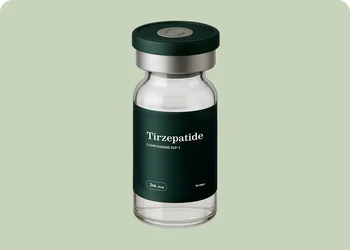
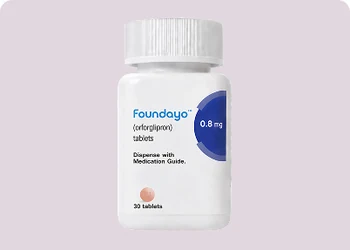
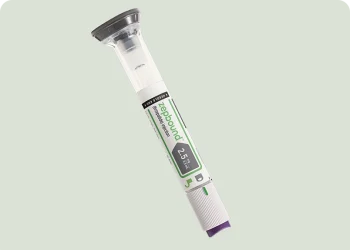
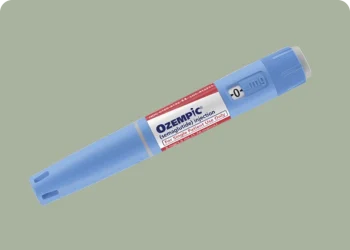
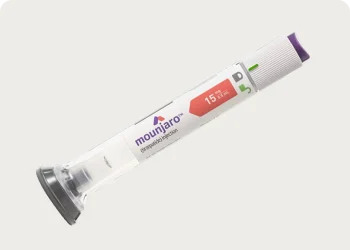
FDA approval attaches to a specific drug product — a formulation, route, strength, manufacturing process, labeling and indication — not to a peptide name. A compounded or internet-sold version containing "the same peptide" is not thereby FDA-approved. This matters particularly for semaglutide, tirzepatide, tesamorelin and bremelanotide, all of which appear below.
| Category | What it means | Oversight | Examples |
|---|---|---|---|
| FDA-approved drug | Reviewed for safety and efficacy for a specific indication; manufactured to pharmaceutical standards | Full FDA review, prescribing information, adverse-event reporting | Tesamorelin (Egrifta), bremelanotide (Vyleesi), semaglutide, tirzepatide |
| Compounded preparation | Prepared by a state-licensed pharmacy under section 503A for an individual patient against a prescription, or by an FDA-registered 503B outsourcing facility (which may supply office stock without a patient-specific prescription). Not FDA-approved. FDA does not review it for safety, efficacy or quality before it reaches you | 503A: state boards of pharmacy primarily, with FDA inspection and enforcement authority; generally exempt from federal CGMP when all statutory conditions are met. 503B: FDA-registered, CGMP, routine inspection | Sermorelin, and others depending on current status |
| "Research-grade" / gray market | Sold online, labeled "not for human use." Has not demonstrated compliance with pharmaceutical manufacturing, sterility, identity, purity or potency requirements | No premarket FDA review; typically sold outside licensed pharmacy channels. FDA and state authorities can still take enforcement action where human use is the evident intent | Many peptides sold direct-to-consumer online |
The third category is where concerns about identity, potency, contamination and sterility are concentrated, and it is the one most easily mistaken for the other two.
A "research use only" label does not make a product lawful for human use, and it does not establish that it is safe to inject. It also does not place the seller outside drug law: FDA assesses a product's intended use from the totality of the evidence — website claims, dosing information, testimonials, how it is actually marketed — so a product promoted for injection may be an unapproved and misbranded drug regardless of what the vial says. What the label does tell you is that the product has not been shown to meet the manufacturing controls the first two categories require.
What the 503A Bulks List Actually Is
Under Section 503A of the Federal Food, Drug, and Cosmetic Act, a compounding pharmacy may use a bulk drug substance only if that substance meets one of three conditions: it is the subject of an applicable USP/NF monograph, it is a component of an FDA-approved drug, or it appears on FDA's 503A Bulks List.
All three matter in general. But for BPC-157, KPV, TB-500, MOTS-c and emideltide specifically, FDA found no applicable USP/NF monograph and no FDA-approved drug containing the substance — so in FDA's current review the Bulks List is the only identified ingredient route for those substances. Inclusion would still satisfy only one statutory condition; every other 503A and state requirement would remain.
Substances nominated for the list are sorted into administrative categories under FDA's interim enforcement policies. These categories are not the statutory bulks list itself:
- Category 1 — nominated with sufficient information to evaluate. Under the interim policy FDA may exercise enforcement discretion regarding the bulks-list requirement where specified conditions are met. This is not approval, and not inclusion on the final list
- Category 2 — FDA has identified potential significant safety risks; the same interim enforcement discretion is not extended
- Category 3 — nominated without adequate supporting information
The 503A and 503B categories are separate. A substance's position under one says nothing automatic about the other.
Even where the bulk-substance condition is satisfied, every other 503A requirement — and applicable state law — still has to be met; meeting one condition does not by itself make a given preparation or use lawful.
What the July 2026 Advisory Vote Did — and Did Not — Decide
FDA's Pharmacy Compounding Advisory Committee (PCAC) met on July 23–24, 2026 to evaluate seven peptides for the 503A Bulks List 1, 2.
| Peptide | Proposed use considered | Vote | Outcome |
|---|---|---|---|
| BPC-157 | Ulcerative colitis | 8–6 (1 abstention) | Recommended |
| KPV | Proposed topical treatment of wounds and inflammatory conditions | 8 / 6 / 1 | Recommended |
| TB-500 (N-acetylated LKKTETQ) | Wound healing | 8 / 6 / 1 | Recommended |
| MOTS-c | Obesity, osteoporosis | 7–5 (2 abstentions) | Recommended |
| Epitalon | Insomnia | Recommended; count disputed (7–4–1 vs 7–5–1) | Recommended |
| Semax | Cerebral ischemia, migraine, trigeminal neuralgia | 8–5 | Recommended |
| Emideltide (DSIP) | opioid withdrawal, chronic insomnia and narcolepsy | 6–7 (1 abstention) | Not recommended |
Two things about these figures. FDA's published question sheet shows the committee held 14 separate ballots, not seven — each peptide was voted on twice, once as the free base and once as the acetate form 4. On the available reporting no peptide's two forms received different outcomes. And FDA had not published official minutes or a vote-results document as of October 5, 2026 — the meeting page still carries only the pre-meeting materials —, so every count above comes from contemporaneous trade reporting rather than an FDA record. The Epitalon count is reported inconsistently across outlets (7–4–1 and 7–5–1 both appear).
Three things about this vote are consistently lost in coverage:
1. The votes are recommendations. FDA has not acted on them. PCAC advises; it does not decide. Until FDA formally adds a substance to the 503A Bulks List, nothing about its compounding status has changed.
2. The recommendations were contrary to the conclusions presented by FDA staff reviewers, who found the available records did not support inclusion under the evaluation criteria 1, 3. On BPC-157 specifically, FDA staff found a lack of evidence supporting effectiveness for ulcerative colitis and noted the substance is not well characterized 1.
3. Eligibility for compounding is not drug approval. Even if FDA adopts every recommendation, the result is that licensed pharmacies may compound these substances for individual patients. It does not mean any of them has been shown safe and effective, and it does not create an FDA-approved product.
The "Peptides Were Reinstated" Claim — What Actually Happened
You will find many sites reporting that FDA "removed 12 peptides from Category 2" or "reinstated peptides to Category 1" in April 2026, usually framed as FDA reversing course.
FDA's own published tables tell a different story. The peptides in question appear under the heading "Bulk drug substances nominated but withdrawn" — substances "previously in category 2 of the interim policies [that] were withdrawn by the nominators" 4.
That is not FDA clearing them. It is the parties who nominated them withdrawing the nominations.
Withdrawal is not an affirmative FDA finding that a substance is safe or suitable for compounding, and it does not place the substance on the final 503A Bulks List. It also does not erase FDA's underlying safety assessment, which is why these substances still appear in FDA's published tables. A substance's current status has to be assessed across all three statutory routes and the applicable interim policy — not read off a single list.
Why they still came before the committee: the nominators withdrew, but FDA elected to proceed on its own initiative with presentation of the identified free-base and acetate forms at the July 2026 meeting. That continued the evaluation — it did not reinstate the nominations, move the substances into Category 1, add them to the 503A Bulks List, or otherwise change their compounding status.
Critically: removal from Category 2 does not make a substance eligible for compounding. Eligibility runs through one of the three statutory routes described above — and a withdrawn nomination is not on the 503A Bulks List.
The substances currently listed by FDA as nominated-but-withdrawn include AOD-9604, BPC-157, cathelicidin LL-37, CJC-1295, dihexa acetate, emideltide (DSIP), epitalon, GHK-Cu (injectable), ipamorelin acetate, KPV, PEG-MGF, melanotan II, MOTs-c, selank acetate, semax, TB-500, and thymosin alpha-1 4.
Separately, several peptides remain in Category 2 — FDA's active "significant safety risks" list — including GHRP-2, GHRP-6, ibutamoren mesylate, kisspeptin-10, and ipamorelin acetate under the 503B interim policy 4. Ipamorelin appears in both tables, which is a good illustration of why single-sentence summaries of peptide legality are usually wrong.
What FDA's Stated Concerns Actually Are
Reading FDA's reasoning across these substances, the same three concerns recur 4:
- Immunogenicity risk — peptides can aggregate, and aggregated peptide with related impurities can provoke an immune response against the drug or, in some cases, against your own corresponding hormone
- Characterization complexity — several contain unnatural amino acids, making it genuinely difficult to confirm what is in a given vial
- Insufficient safety information — for many, FDA's position is not that harm is proven but that "the agency lacks sufficient information to know whether the drug would cause harm if administered to humans"
That last point is worth sitting with, because it cuts both ways. It is not a finding that these peptides are dangerous. It is a finding that nobody has done the work to establish that they are safe — which is a different claim, and a weaker basis for confidence than most marketing implies.
For a few, FDA has identified specific signals: serious adverse events including two deaths in a 117-patient trial of intravenous ipamorelin after bowel surgery, where FDA stated causality was unclear and placebo event rates were similar; increased heart rate and systemic vasodilatory reaction with CJC-1295; melanoma, posterior reversible encephalopathy syndrome and priapism in case reports involving melanotan II 4.
Red Flags — What Should Stop You
- Any product labeled "for research use only" or "not for human use" that a seller suggests you inject. That labeling is not a technicality; it is the reason no sterility, potency or identity standard applies
- An injectable peptide shipped directly to you for self-treatment, with no prescriber and no documented clinical pathway — compounded preparations reach patients through a prescriber and a licensed pharmacy, or via a 503B outsourcing facility with a clinician administering. A direct-to-consumer checkout is not one of those pathways
- Claims that a peptide is "FDA approved" when it is not. Check the specific substance and route
- A seller citing the July 2026 vote as proof of approval — the vote is advisory and unactioned
- Dosing instructions from a vendor, forum or influencer rather than a clinician
- Sudden severe symptoms after any peptide — chest pain, difficulty breathing, severe abdominal pain, signs of infection at an injection site — seek emergency care
Are Peptides Legal in California?
Federal drug law is only part of the analysis. California separately regulates prescribers, pharmacies, compounding, dispensing and shipment into the state through the Board of Pharmacy and the Medical Board, and its requirements can be more restrictive than the federal floor — not merely a copy of it.
For a California resident, the practical questions are whether a California-licensed clinician has assessed you, whether a valid prescription exists, and whether the preparation came from a pharmacy or outsourcing facility legally authorized to supply it in California. A product ordered from a research-chemical site meets none of those, wherever you live.
This section describes the general framework and is not legal advice. California requirements change; confirm current rules with your clinician or pharmacy.
What This Means If You're Considering Peptide Therapy
- Ask which category the specific peptide is in — approved drug, compounded preparation, or research-grade. A clinician who cannot answer that clearly is a warning sign
- Ask where a compounded preparation is sourced from — a licensed 503A pharmacy or 503B outsourcing facility, not a marketplace
- Expect a clinical assessment first — history, medications, labs where indicated. Peptides interact with other treatments and are not appropriate for everyone
- Treat "FDA approved" claims skeptically and check the substance and route yourself
- Understand what is genuinely unknown. For most peptides, the honest answer about long-term safety is that the data do not exist yet
Get Started with JumpstartMD
If you have been researching peptides and finding it difficult to separate what is legitimate from what is marketing, that reaction is reasonable — the category is genuinely confusing right now, and much of what ranks well online is written by people selling the products.
JumpstartMD was founded in 2007 by Stanford-trained physicians, and our programs are built around labs, hormones, and body composition rather than any single product. Care is delivered by licensed clinicians you see face-to-face — in person at 14 California locations, or online across California.
Every treatment plan starts with a clinical assessment, including a 60-biomarker lab screening and InBody® body composition scanning, so that recommendations are made against measured findings and your full medication list rather than a questionnaire. That assessment can identify some contributors — thyroid dysfunction, iron or nutrient abnormalities, glucose dysregulation — and indicate when targeted evaluation or specialist referral is needed; it cannot determine every cause from laboratory testing alone.
Sermorelin is supplied as a compounded preparation, not an FDA-approved finished drug: GEREF was historically approved for diagnostic use and pediatric growth hormone deficiency — not adult sleep, recovery, body-composition or healthy-aging goals — and controlled evidence for those adult outcomes remains limited.
As FDA acts on the substances discussed above, we will update these pages accordingly.
Peptide care is offered through a paid membership, subject to clinical evaluation. Contact JumpstartMD for membership details and pricing.
Clinician-guided peptide therapy may be considered after an individualized clinical evaluation. Certain therapies may use compounded medications, which are not FDA-approved, and evidence, risks and expected outcomes vary by treatment. See peptide therapy.
Book FREE Consultation
Share your details and a JumpstartMD team member will reach out shortly. Or call 408.478.3496 for your free, no-obligation consultation.
Share your details and a JumpstartMD team member will reach out when we open.
Related Articles
- Peptide Sourcing and Quality: How to Tell Legitimate from Gray Market — how compounded and research-grade preparations actually differ
- Sermorelin — mechanism, evidence and current regulatory status
- BPC-157 — what the evidence shows for the most-searched peptide, and its current status
- Peptide Therapy: What It Is and Who It's For — the overview
- GLP-1 Medications for Weight Loss — the approved-drug pathway, for comparison
Frequently Asked Questions
Are peptides legal in the US?
It depends entirely on which peptide and in what form. Some are FDA-approved prescription drugs. Some may be used in compounded preparations prepared by a licensed pharmacy for an individual patient with a prescription. Many sold online are "research-grade" products labeled not for human use, which have no quality, sterility or identity controls. The label "peptide" tells you nothing about legal status on its own.
Is BPC-157 FDA approved?
No. BPC-157 is not an FDA-approved drug. On July 23, 2026 an FDA advisory committee voted 8 yes / 6 no / 1 abstention on each form to recommend adding it to the 503A Bulks List for compounding for ulcerative colitis, contrary to the conclusions presented by FDA staff reviewers. That recommendation is advisory, FDA has not acted on it, and even if adopted it would concern eligibility for pharmacy compounding — not approval as a finished drug.
Are peptides becoming legal now?
Six nominated substances received favorable advisory votes in July 2026, which is a meaningful step. But FDA has not acted on those recommendations — the final list is established through rulemaking, not by a committee vote — and the committee voted contrary to the conclusions presented by FDA staff reviewers. Treat any current claim that a peptide "is now legal" as premature.
What peptides are legal in the US right now?
The peptides that are unambiguously legal as prescription medicines are the FDA-approved ones — for example tesamorelin (Egrifta) and bremelanotide (Vyleesi). Beyond those, legality cannot be read off a molecule name, a bulks-list status or a prescription alone. Under 503A the bulk substance must qualify through one of the statutory ingredient routes and every other federal and state condition must be met. 503B has a separate bulk-substance framework and may permit office stock without patient-specific prescriptions. The exact substance, salt, route, facility, order or prescription, manner of administration and state pathway all matter. Because that status is actively changing, ask a clinician about the specific substance rather than relying on a list you found online — including this one.
Can you legally buy peptides online?
Obtaining a compounded prescription preparation requires a prescription from a licensed prescriber and a pharmacy authorized to supply it. Sites selling peptides without one typically rely on "research use only" labeling — but that label does not make the sale lawful, and FDA judges intended use from how a product is actually marketed rather than from its disclaimer. What those products do lack is any assurance of identity, purity, potency or sterility.
Will peptides fail a drug test?
Many peptides — including growth hormone secretagogues and several discussed here — are prohibited under anti-doping rules. If you compete under WADA, USADA, NCAA or a similar body, assume a peptide is prohibited until you have confirmed otherwise with that organization directly. This is independent of FDA status.
Is peptide therapy safe?
For most peptides, the honest answer is that there is not enough human data to say. FDA's stated position on many of them is that it lacks sufficient information to know whether they would cause harm. That is different from a finding of danger — but it is also a long way from established safety, and it is the reason clinical supervision matters.
References
- Regulatory Affairs Professionals Society, "FDA advisory committee backs two controversial peptides," Jul. 2026. [Online]. Available: https://www.raps.org/resource/fda-advisory-committee-backs-two-controversial-peptides.html [Accessed: Jul. 25, 2026]. ↩
- Regulatory Affairs Professionals Society, "FDA advisory committee backs two more peptides, rejects one for compounding list," Jul. 2026. [Online]. Available: https://www.raps.org/resource/fda-advisory-committee-backs-two-more-peptides-rejects-one-for-compounding-list.html [Accessed: Jul. 25, 2026]. ↩
- The Hill, "FDA panel votes to add peptides to permitted compounding list despite opposition from agency scientists," Jul. 2026. [Online]. Available: https://thehill.com/homenews/5987510-fda-committee-votes-peptides/ [Accessed: Jul. 25, 2026]. ↩
- U.S. Food and Drug Administration, "Certain Bulk Drug Substances for Use in Compounding that May Present Significant Safety Risks." [Online]. Available: https://www.fda.gov/drugs/human-drug-compounding/certain-bulk-drug-substances-use-compounding-may-present-significant-safety-risks [Accessed: Jul. 25, 2026]. ↩
- U.S. Food and Drug Administration, "Bulk Drug Substances Used in Compounding Under Section 503A of the FD&C Act." [Online]. Available: https://www.fda.gov/drugs/human-drug-compounding/bulk-drug-substances-used-compounding-under-section-503a-fdc-act [Accessed: Jul. 25, 2026]. ↩
- U.S. Food and Drug Administration, "Bulk Drug Substances Used in Compounding Under Section 503B of the FD&C Act." [Online]. Available: https://www.fda.gov/drugs/human-drug-compounding/bulk-drug-substances-used-compounding-under-section-503b-fdc-act [Accessed: Jul. 25, 2026]. ↩
- U.S. Food and Drug Administration, "Human Drug Compounding." [Online]. Available: https://www.fda.gov/drugs/guidance-compliance-regulatory-information/human-drug-compounding [Accessed: Jul. 25, 2026]. ↩
- CNN, "The future of peptides in the US is about to become clearer," Jul. 22, 2026. [Online]. Available: https://www.cnn.com/2026/07/22/health/peptides-fda-compounding-pharmacies-meeting-wellness [Accessed: Jul. 25, 2026]. ↩