




Medication Consent
Consent to Treatment With GLP-1 Agonist and / or SGLT2 Inhibitor Medication
Consent to treatment with GLP-1 agonist medication:
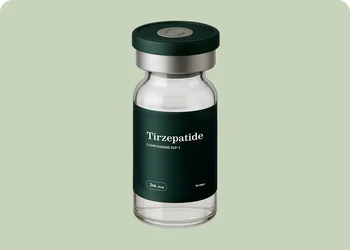
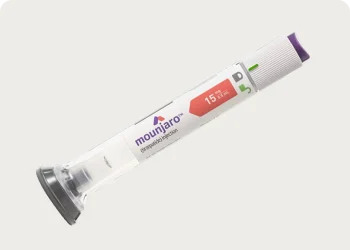
Human-based glucagon-like peptide-1 (GLP-1) receptor agonists (which include Semaglutide, Dulaglutide, Exenatide, Tirzepatide, etc.) are prescribed along with a reduced calorie diet and increased physical activity for weight management in adults with an initial body mass index (BMI) that is considered outside a healthy range. Common names for GLP-1 agonists include Adlyxin®, Byetta®, Bydureon®, Mounjaro®, Ozempic®, Rybelsus®, Trulicity®, Victoza®, Wegovy®. “Compounded” semaglutide and tirzepatide are also GLP-1 agonist medication.
You should not take GLP-1 agonist medications if:
- You have a personal or family history of “Thyroid C-Cell Tumors”. More specifically, a personal or family history of:Medullary thyroid carcinoma, MTC, (a specific, rare type of thyroid cancer)Multiple Endocrine Neoplasia syndrome type 2 (MEN-2, a rare, genetic disorder that can cause tumors in the thyroid gland and other glands)
Why? Because, in rodents, semaglutide (and potentially other GLP-1 medication) causes dose-dependent and treatment-duration-dependent thyroid C-Cell tumors at clinically relevant exposures. It is unknown whether semaglutide causes thyroid C-cell tumors, including medullary thyroid carcinoma (MTC), in humans as human relevance of semaglutide-induced rodent thyroid C-Cell tumors has not been determined.
In light of the potential risk for MTC with use of GLP-1 medications (like semaglutide or tirzepatide), patients should be aware of symptoms of thyroid tumors (e.g. a mass in the neck, elevation of calcitonin, difficulty swallowing (dysphagia), difficulty breathing (dyspnea), persistent hoarseness, or other; and to seek appropriate evaluation for such signs or symptoms if present.
- You are pregnant or plan to become pregnant while taking this medicine. GLP-1 medications may cause fetal harm. When pregnancy is recognized, discontinue GLP-1 medications. Discontinue GLP-1 medications at least 2 months before a planned pregnancy.
- You are diabetic and/or taking any medications related to lowering your blood sugar levels without speaking with your licensed, JumpstartMD clinician. GLP-1 medications lower blood glucose and can cause hypoglycemia, but even more so when combined with other blood sugar lowering medications. As a result, we need to know if you are prescribed Insulin (or other “hypoglycemic agent” medication (blood sugar lowering medication), because combining blood sugar lowering medication with GLP-1 medication may increase your risk of hypoglycemia (low blood sugar), and dosage adjustments by your provider to your medications may be necessary. If you develop symptoms of hypoglycemia (light headedness, anxiety, shaking, sweating, rapid heartbeat, irritability or confusion, hunger, other), consume at least 15 grams of carbohydrate and, if possible, check blood glucose after 15 minutes to make sure it is over 70 mg / dL. If it is not, have another serving of carbohydrate. Once blood glucose is over 70 mg / dL, a meal should be consumed.
- You have a history of Pancreatitis or have a condition that may make Pancreatitis more likely to occur. Acute pancreatitis, including fatal and non-fatal hemorrhagic or necrotizing pancreatitis, has been observed in patients treated with GLP-1 receptor agonists (like semaglutide and tirzepatide). Symptoms of acute pancreatitis could include severe abdominal pain, sometimes radiating to the back, and which may or may not be accompanied by vomiting. If acute pancreatitis is suspected, discontinue any GLP-1 medication (i.e. semaglutide or tirzepatide) medication promptly and seek urgent medical attention for a proper pancreatitis evaluation including exam, blood tests, and potentially imaging studies. If acute pancreatitis is confirmed, do not restart GLP-1 medication.
- You have a history of gallbladder disease. While not an an absolute “contra-indication” to GLP-1 medications, treatment with GLP-1 medications (i.e. semaglutide or tirzepatide) was associated with an increased occurrence of cholelithiasis (gallstones) and cholecystitis (gallbladder inflammation). For example, in clinical trials in adult patients, cholelithiasis was reported by 1.6% of Wegovy® (semaglutide) patients and 0.7% of placebo patients. The incidence of cholelithiasis (gallstones) and cholecystitis (gallbladder inflammation) was higher in Wegovy® (semaglutide) treated pediatric patients (aged 12 years and older) than in Wegovy® (semaglutide) treated adults. Cholecystitis was reported by 0.6% of Wegovy® (semaglutide) patients and 0.2% of placebo patients. Substantial or rapid weight loss can increase the risk of cholelithiasis (gallstones); however, the incidence of acute gallbladder diseasewas greater in Wegovy® (semaglutide) patients than in placebo patients, even after accounting for the degree of weight loss. If cholelithiasis (gallstone disease) is suspected, gallbladder studies and appropriate clinical follow-up are indicated.
- You have kidney disease or are on dialysis. There have been post-marketing reports of acute kidney injury and worsening of chronic kidney failure, which in some cases required hemodialysis, in patients treated with semaglutide. Patients with renal (kidney) impairment may be at a greater risk of acute kidney injury, but some events have been reported in patients without underlying kidney (renal) disease. A majority of the events occurred in patients who experienced nausea, vomiting, or diarrhea, leading to volume (fluid) depletion. Renal (kidney) function will be monitored prior to starting a GLP-1 medication and along your weight loss journey as needed and more frequently if reporting any adverse reactions that could lead to volume depletion.
- You are allergic to any GLP-1 agonist such as: Adlyxin®, Byetta®, Bydureon®, Mounjaro®, Ozempic®, Rybelsus®, Trulicity®, Victoza®, Wegovy®, or “compounded” semaglutide or tirzepatide.
- You are taking any other GLP-1 agonist medication.
- You have other concerning allergies. Serious hypersensitivity (allergic) reactions (e.g. anaphylaxis, angiodedema) have been reported with GLP-1 medication. These medications may contain inactive ingredients, which can cause allergic reactions or other problems. If hypersensitivity (allergic) reactions occur, discontinue use of GLP-1 medication and seek treatment promptly as well as monitoring until symptoms resolve.
- You have a history of diabetic retinopathy or diabetes: In a trial of adult patients with type 2 diabetes, diabetic retinopathy was reported by 4% of Wegovy® (semaglutide) patients and 2.7% of placebo patients. Rapid improvement in glucose control has been associated with a temporary worsening of diabetic retinopathy. Patients with a history of diabetic retinopathy on GLP-1 medications should be monitored for progression of diabetic retinopathy by their ophthalmologist.
- Pediatric populations: Although pediatric adverse reactions were not thoroughly studied in every GLP-1 medication, adverse reactions with semaglutide (a GLP-1 medication) in pediatric patients aged 12 years and older were similar to those reported in adults. Pediatric patients 12 years and older treated with semaglutide (Wegovy®) had greater incidences of cholelithiasis (gallstones), cholecystitis (inflammation of the gallbladder), hypotension, rash, and uticaria (hives from an allergic reaction to medication) compared to adults treated with semaglutide (Wegovy®).
Before using this medication, you agree that you will provide your complete medical history and a list of medications you are currently taking to your licensed, JumpstartMD clinician. Specifically, please inform your JumpstartMD clinician about any medications (including prescription drugs, over-the-counter medications, vitamins, and supplements) you are currently taking that may lower your blood sugar. Possible drug interactions with GLP-1 agonists include insulin and sulfonylureas due to the increased risk of hypoglycemia (low blood sugar).
The following mild side effects may occur as a result of taking a GLP-1 agonist: nausea, diarrhea, vomiting, constipation, abdominal pain, headache, fatigue, dyspepsia, dizziness, abdominal distension, belching, burping, hypoglycemia, flatulence, gastroenteritis, and gastroesophageal reflux disease, nasopharyngitis (runny nose), and / or common injection site reactions characterized by itching, burning at site of administration with or without thickening of the skin (welting).
In rare cases, the following serious side effects have occurred when using a GLP-1 agonist:
- Serious allergic reaction, including rash, itching/swelling (especially of the face/tongue/throat)
- Swelling of the feet, ankles, or lower legs
- Severe dizziness
- Trouble breathing
- Pancreatitis
- Heart problems, including palpitations
- Symptoms of de-hydration, including extreme thirst, very dry mouth or skin, decreased urination, dizzy with standing, etc.
Drug Interactions:
GLP-1 medication causes a delay of gastric emptying that has the potential to impact the absorption of concomitantly administered oral medications. Monitor the effects of oral medications concomitantly administered with GLP-1 medications and report any concerning or adverse side effects from other medications to your JumpstartMD clinician.
PLEASE NOTE THAT THIS IS NOT A COMPLETE LIST OF ALL POSSIBLE SIDE EFFECTS. OTHER SIDE EFFECTS MAY OCCUR. Report all adverse side effects to your JumpstartMD clinician. In the event of any emergency, call 911 or go to the nearest emergency room immediately.
IF YOU HAVE ANY QUESTIONS AS TO THE RISKS OR HAZARDS OF THIS TREATMENT, OR ANY QUESTIONS WHATSOEVER CONCERNING THIS PROPOSED TREATMENT OR OTHER POSSIBLE TREATMENTS, ASK YOUR JUMPSTARTMD CLINICIAN BEFORE SIGNING THIS CONSENT FORM.
Consent to treatment with SGLT-2 inhibitor medication:
Sodium-glucose cotransporter-2 (SGLT-2) inhibitors (which include canagliflozin, dapagliflozin, and empagliflozin) are prescribed along with a reduced calorie diet and increased physical activity to lower blood sugar in adults with type 2 diabetes. Some SGLT2 inhibitors are also FDA-approved for use in people with chronic kidney disease (CKD) and/or heart failure to lower the risk of heart attack, stroke, and heart failure flare-ups, including in people who do not have diabetes. Common names for SGLT-2 inhibitors include Jardiance®, Invokana®, and Farxiga®.
You should not take SGLT-2 inhibitor medications if:
- You have had diabetic ketoacidosis, a serious complication of diabetes.
- You are pregnant or plan to become pregnant while taking this medicine.
- You have a history of Pancreatitis or have a condition that may make Pancreatitis more likely to occur.
- You are taking any medications related to lowering your blood sugar levels without speaking with your JumpstartMD Clinician.
- You are allergic to any SGLT-2 inhibitor.
- You have severe kidney impairment, impaired renal function, or are on dialysis.
- You have other allergies. This product may contain inactive ingredients, which can cause allergic reactions or other problems.
Before using this medication, you agree that you will provide your complete medical history and a list of medications (including prescription drugs, over-the-counter medications, vitamins, and supplements) you are currently taking to your licensed, JumpstartMD clinician. Specifically, please inform your JumpstartMD clinician about any medications you are currently taking that may lower your blood sugar.
The following mild side effects may occur as a result of taking an SGLT-2 inhibitor: high levels of potassium (hyperkalemia), increased cholesterol, increased magnesium and phosphate levels, low blood sugar, urinary tract infections, genital infections, increased urination, vulvar and vaginal itching, orthostatic hypotension, constipation, nausea, tiredness.
In rare cases, the following serious side effects have occurred:
- Fractures, loss of bone density, and lower limb amputation (Invokana)
- Serious allergic reaction, including rash, itching/swelling (especially of the face/tongue/throat)
- Euglycemic Ketoacidosis (EKA)
- Diabetic Ketoacidosis (DKA)
- Severe urinary tract infection
- Pancreatitis
- Loss of bone density
- Necrotizing fasciitis or Fournier’s gangrene, which is a rare but serious bacterial infection around the anus and genitals
- Symptoms of de-hydration, including extreme thirst, very dry mouth or skin, decreased urination, electrolyte imbalance, etc.