
Zepbound vs. Ozempic
In a Nutshell
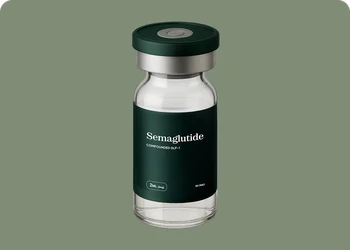
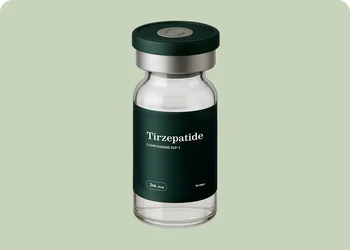
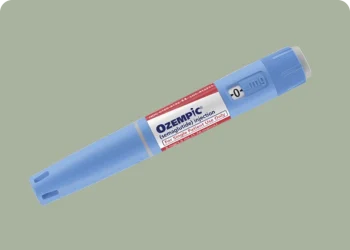
Zepbound and Ozempic are different drugs approved for different jobs: Zepbound is tirzepatide, a dual GIP/GLP-1 agonist (Eli Lilly) FDA-approved for weight loss and sleep apnea, while Ozempic is semaglutide, a single GLP-1 agonist (Novo Nordisk) FDA-approved for type 2 diabetes.
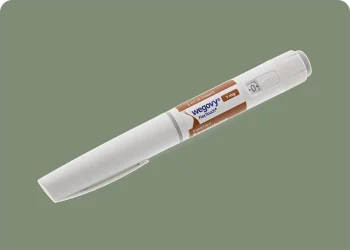
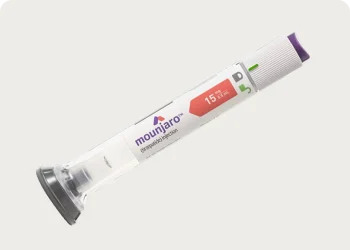
They are not direct equivalents — if you want an apples-to-apples weight-loss comparison, Zepbound's true counterpart is Wegovy, and Ozempic's is Mounjaro [1], [2].
For weight loss specifically, the tirzepatide in Zepbound outperforms the semaglutide in Ozempic — in the head-to-head SURMOUNT-5 trial, tirzepatide produced −20.2% versus −13.7% of body weight at 72 weeks [3].
But Ozempic does something Zepbound is not approved to do: it treats type 2 diabetes and is proven to reduce cardiovascular events and slow kidney disease in that population [2], [7], [8]. Both are once-weekly injections with the same GI-predominant side effects and the same boxed warning.
Zepbound vs. Ozempic at a glance
| Zepbound | Ozempic | |
|---|---|---|
| Active ingredient | Tirzepatide | Semaglutide |
| Drug class | Dual GIP + GLP-1 receptor agonist | GLP-1 receptor agonist (single) |
| Manufacturer | Eli Lilly | Novo Nordisk |
| FDA-approved uses | Chronic weight management; obstructive sleep apnea in obesity | Type 2 diabetes; ↓ cardiovascular risk; ↓ kidney-disease progression |
| Approved for weight loss? | Yes — this is its on-label use | No — used off-label; sibling Wegovy is approved |
| Weight loss (head-to-head molecules) | −20.2% at 72 weeks (SURMOUNT-5) | −13.7% at 72 weeks (SURMOUNT-5, as semaglutide) |
| Dosing | 2.5 → 15 mg once weekly | 0.25 → 2 mg once weekly |
| Form | Once-weekly injection | Once-weekly injection |
| Proven heart/kidney benefit in diabetes | Not established | Yes — SUSTAIN-6 (heart), FLOW (kidney) |
| Boxed warning | Thyroid C-cell tumors (MTC/MEN2) | Thyroid C-cell tumors (MTC/MEN2) |
| List price (approx., pre-insurance) | ~$1,000–$1,350/month (lower self-pay vials) | ~$1,000/month |
Are Zepbound and Ozempic the same kind of drug?
No — and the bigger difference is what they're for. Zepbound (tirzepatide) is FDA-approved for chronic weight management and obstructive sleep apnea; Ozempic (semaglutide) is FDA-approved for type 2 diabetes [1], [2]. They are also different molecules — tirzepatide works on two gut-hormone receptors, semaglutide on one.
So comparing them is partly comparing a weight-loss drug against a diabetes drug, not two interchangeable options.
The brand map: which version is which
Each molecule comes in a weight-loss brand and a diabetes brand. Lining them up removes most of the confusion:
- Tirzepatide → Zepbound (weight management + sleep apnea) and Mounjaro (type 2 diabetes) [1].
- Semaglutide → Ozempic (type 2 diabetes), Wegovy (weight management), and Rybelsus (oral diabetes tablet) [2].
So the truest apples-to-apples comparisons are Zepbound vs. Wegovy (both weight) or Mounjaro vs. Ozempic (both diabetes). When people compare Zepbound directly with Ozempic, they're usually weighing the strongest weight-loss option against the diabetes drug they may already have access to.
What is Zepbound?
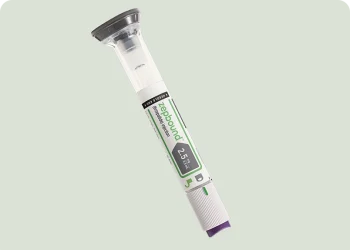
Zepbound (tirzepatide) is a once-weekly injection FDA-approved for chronic weight management — and, since 2024, for moderate-to-severe obstructive sleep apnea in adults with obesity, the first drug approved for that condition [1].
It is a dual agonist (a "twincretin") that activates both the GIP and GLP-1 receptors, titrating from 2.5 mg up to 15 mg once weekly. In its pivotal obesity trial, SURMOUNT-1, Zepbound produced up to −20.9% of body weight at the 15 mg dose over 72 weeks [5].
What is Ozempic?
Ozempic (semaglutide) is a once-weekly injection FDA-approved for type 2 diabetes — and, uniquely in this matchup, to reduce the risk of major cardiovascular events in adults with type 2 diabetes and heart disease, and (as of 2025) to slow chronic kidney disease in type 2 diabetes [2], [7], [8].
It is a single GLP-1 receptor agonist dosed from 0.25 mg up to 2 mg once weekly. Because semaglutide also reduces appetite, Ozempic is widely used off-label for weight loss — but it is not FDA-approved for it and tops out at a lower dose; the approved weight-management version of semaglutide is Wegovy [2].
The key difference: weight-loss drug vs. diabetes drug
This is the heart of the comparison. If your goal is weight loss, Zepbound is the on-label, full-dose, more powerful option. If you have type 2 diabetes, Ozempic is the on-label choice and brings proven heart and kidney protection that Zepbound has not established.
Many people who compare the two are really asking one of two questions: "What's the strongest weight-loss drug?" (Zepbound) or "What can I actually get covered?" (often Ozempic, because insurers cover diabetes drugs more readily). A clinician can match the drug to the goal rather than forcing one to do the other's job [1], [2].
How they work: one hormone vs. two
Both mimic GLP-1, a gut hormone that curbs appetite, slows stomach emptying, and triggers insulin when blood sugar is high [1], [2]. Zepbound adds a second action on the GIP receptor, another incretin hormone involved in how the body handles food and energy.
That dual mechanism is the leading explanation for why tirzepatide tends to produce greater weight loss and blood-sugar lowering than a GLP-1-only drug such as semaglutide, though exactly how GIP adds benefit is still being studied [3], [4].
Effectiveness: weight and blood sugar
Tirzepatide beat semaglutide in both head-to-head trials of these molecules. For weight, SURMOUNT-5 randomized 751 adults with obesity to the highest tolerated dose of each drug; at 72 weeks the tirzepatide group lost a mean −20.2% of body weight versus −13.7% with semaglutide [3].
For blood sugar, the SURPASS-2 diabetes trial found tirzepatide lowered HbA1c more than semaglutide at every dose — up to −2.30% versus −1.86% — with greater weight loss too [4]. The practical caveat: Zepbound is dosed for weight (up to 15 mg), while Ozempic tops out at 2 mg, so part of the gap reflects what each brand is designed and approved to do.
What to expect: timeline
Neither drug works overnight. Both start low and step up about every 4 weeks, so appetite and blood-sugar effects build over months rather than days. In the trials, average weight loss was still increasing at 72 weeks — about 16–17 months — which is when the headline figures were measured [3], [5]. Results then tend to slow and plateau.
Both are long-term treatments: stop them and appetite returns and much of the lost weight comes back, so they're meant to be taken and supervised over the long run [1], [2].
Heart, kidney, and sleep apnea
Each drug has a distinct beyond-weight benefit. Ozempic has FDA-approved, trial-backed protection in type 2 diabetes: in SUSTAIN-6 it cut major adverse cardiovascular events by 26% versus placebo, and in the FLOW trial it reduced major kidney-disease events by 24% [7], [8].
(Semaglutide also reduced cardiovascular events in people with obesity but without diabetes in the SELECT trial, the basis for Wegovy's heart indication [9].) Zepbound, for its part, is the first drug FDA-approved for obstructive sleep apnea in adults with obesity [1]. Tirzepatide's own cardiovascular-outcomes data is still maturing.
Dosing & administration
Both are once-weekly subcutaneous injections in prefilled pens, started low and titrated up about every 4 weeks to limit nausea [1], [2].
Zepbound dosing
2.5 → 5 → 7.5 → 10 → 12.5 → 15 mg maximum, once weekly [1].
Ozempic dosing
0.25 → 0.5 → 1 → 2 mg maximum, once weekly [2].
Side effects & safety
Side-effect profiles are very similar because both act on the GLP-1 pathway — predominantly gastrointestinal, usually mild-to-moderate, and worst in the weeks after starting or moving up a dose [1], [2], [3].
Common side effects (both)
Nausea, diarrhea, vomiting, constipation, and abdominal pain. Most ease as the body adjusts [1], [2].
Serious risks & boxed warning
Both carry a boxed warning for thyroid C-cell tumors and are contraindicated in anyone with a personal or family history of medullary thyroid carcinoma (MTC) or MEN 2 [1], [2]. Both can also cause pancreatitis, gallbladder disease, acute kidney injury (often from dehydration), and low blood sugar when combined with insulin or a sulfonylurea [1], [2].
Who should not take these (and key cautions)
Avoid either drug with a personal or family history of MTC or MEN 2, or a prior serious reaction to it [1], [2]. Use caution with a history of pancreatitis or gallbladder disease. Tirzepatide can make oral birth control less effective — switch to a non-oral method or add a barrier for 4 weeks after starting Zepbound and after each dose increase [1].
Because semaglutide clears slowly, it should be stopped at least 2 months before a planned pregnancy [2]. Tell your clinician your full history before starting either drug.
Cost & insurance coverage
At list price, both run roughly $1,000–$1,350 per month before insurance [1], [2]. Coverage is the real differentiator: insurers more often cover Ozempic for diagnosed type 2 diabetes than they cover Zepbound for weight loss, which is a major reason some people end up on a diabetes drug off-label.
Manufacturer savings programs, lower-cost self-pay vial options, and a supervised medical weight-loss program like JumpstartMD's can all change what you actually pay.
A note on compounded versions: compounded GLP-1 medications can be a lower-cost route, and the rules around them shifted as the recent shortages resolved [10]. Quality and physician oversight vary by source, so a compounded option should come from a licensed, supervised medical program using a reputable compounding pharmacy — not an anonymous online seller.
JumpstartMD prescribes and supervises these medications, including compounded options where appropriate.
Can you switch between them?
Often the better move is matching the drug to the goal rather than switching between these two. Someone on Ozempic for diabetes who wants stronger weight loss might move to Zepbound (or to Mounjaro, the tirzepatide diabetes brand); someone on Zepbound who develops diabetes might add or change therapy.
Because these are different molecules and are not milligram-equivalent, a clinician restarts the dose ladder rather than matching doses, and you should not take two incretin drugs at once [1], [2]. All of this should be supervised.
Which is right for you?
- Your goal is weight loss → Zepbound is the on-label, full-dose option with the strongest weight-loss evidence [3], [5].
- You have type 2 diabetes → Ozempic is the on-label choice, with proven heart and kidney benefit [2], [7], [8].
- You have obstructive sleep apnea with obesity → Zepbound is FDA-approved for that specific combination [1].
- Coverage is the obstacle → the answer often comes down to your diagnosis and what your plan will pay for.
The right answer depends on your diagnosis, goals, insurance, and history — exactly what a supervised consultation sorts out. JumpstartMD physicians prescribe and manage both Zepbound and Ozempic (and their siblings Mounjaro and Wegovy), including dose titration and side-effect management.
Book FREE Consultation
Not sure which medication is right for you? JumpstartMD physicians prescribe and manage all of these. Share your details and a team member will reach out — or call 408.478.3496 for your free, no-obligation consultation.
Not sure which medication is right for you? JumpstartMD physicians prescribe and manage all of these. Share your details and a team member will reach out when we open — or get started online right now.
Frequently Asked Questions
Is Zepbound or Ozempic better for weight loss?
Zepbound. It's FDA-approved for weight loss, dosed for it (up to 15 mg), and the tirzepatide in it beat the semaglutide in Ozempic in head-to-head trials (−20.2% vs −13.7% of body weight in SURMOUNT-5). Ozempic is a diabetes drug used off-label for weight and tops out at a lower dose; its on-label weight-loss counterpart is Wegovy.
Can you take Ozempic for weight loss instead of Zepbound?
Many people do, off-label, often because Ozempic is easier to get covered. But it isn't FDA-approved for weight loss and can't reach a weight-management dose. If weight loss is the goal, the on-label options are Zepbound (tirzepatide) or Wegovy (semaglutide) — a clinician can advise which fits your situation and coverage.
Is Zepbound or Ozempic safer?
Their safety profiles are very similar — both are predominantly gastrointestinal, both carry the same boxed warning for thyroid C-cell tumors, and both share risks like pancreatitis and gallbladder disease. Which is safer for you specifically depends on your medical history, which a clinician reviews.
Which is cheaper, Zepbound or Ozempic?
List prices are in a similar range (around $1,000–$1,350 a month), and lower-cost self-pay vials exist for tirzepatide. But your real cost depends on insurance: Ozempic is more often covered for diabetes, while Zepbound coverage for weight loss is inconsistent. Coverage usually matters more than the sticker price.
Can you switch from Ozempic to Zepbound?
Yes, and it's common — usually to get stronger, on-label weight loss. Because they're different drugs, a clinician restarts the dose ladder rather than matching milligrams, and supervises the change. You shouldn't take both at the same time.
Is compounded tirzepatide or semaglutide the same as Zepbound or Ozempic?
Not identical — compounded versions aren't the FDA-approved brand product, and quality can vary by pharmacy. But for many people a compounded version is a more affordable, legitimate option when it's prescribed and supervised by a licensed medical provider using a reputable compounding pharmacy. The key is oversight — get it through a supervised medical program rather than an anonymous online seller. JumpstartMD prescribes and manages these options where appropriate.
References
- Eli Lilly and Company, "Highlights of Prescribing Information: Zepbound® (tirzepatide) injection, for subcutaneous use," U.S. Food and Drug Administration. [Online]. Available: https://www.accessdata.fda.gov/drugsatfda_docs/label/2026/217806s037lbl.pdf. [Accessed: Jun. 28, 2026]. ↩
- Novo Nordisk, "Highlights of Prescribing Information: Ozempic® (semaglutide) injection, for subcutaneous use," U.S. Food and Drug Administration. [Online]. Available: https://www.accessdata.fda.gov/drugsatfda_docs/label/2025/209637s025lbl.pdf. [Accessed: Jun. 28, 2026]. ↩
- L. J. Aronne, D. B. Horn, C. W. le Roux, et al., "Tirzepatide as compared with semaglutide for the treatment of obesity (SURMOUNT-5)," New England Journal of Medicine, vol. 393, no. 1, pp. 26–36, Jul. 2025. doi:10.1056/NEJMoa2416394. PMID: 40353578. ↩
- J. P. Frías, M. J. Davies, J. Rosenstock, et al., "Tirzepatide versus semaglutide once weekly in patients with type 2 diabetes (SURPASS-2)," New England Journal of Medicine, vol. 385, no. 6, pp. 503–515, Aug. 2021. doi:10.1056/NEJMoa2107519. PMID: 34170647. ↩
- A. M. Jastreboff, L. J. Aronne, N. N. Ahmad, et al., "Tirzepatide once weekly for the treatment of obesity (SURMOUNT-1)," New England Journal of Medicine, vol. 387, no. 3, pp. 205–216, Jul. 2022. doi:10.1056/NEJMoa2206038. PMID: 35658024. ↩
- J. P. H. Wilding, R. L. Batterham, S. Calanna, et al., "Once-weekly semaglutide in adults with overweight or obesity (STEP 1)," New England Journal of Medicine, vol. 384, no. 11, pp. 989–1002, Mar. 2021. doi:10.1056/NEJMoa2032183. PMID: 33567185. ↩
- S. P. Marso, S. C. Bain, A. Consoli, et al., "Semaglutide and cardiovascular outcomes in patients with type 2 diabetes (SUSTAIN-6)," New England Journal of Medicine, vol. 375, no. 19, pp. 1834–1844, Nov. 2016. doi:10.1056/NEJMoa1607141. PMID: 27633186. ↩
- V. Perkovic, K. R. Tuttle, P. Rossing, et al., "Effects of semaglutide on chronic kidney disease in patients with type 2 diabetes (FLOW)," New England Journal of Medicine, vol. 391, no. 2, pp. 109–121, Jul. 2024. doi:10.1056/NEJMoa2403347. PMID: 38785209. ↩
- A. M. Lincoff, K. Brown-Frandsen, H. M. Colhoun, et al., "Semaglutide and cardiovascular outcomes in obesity without diabetes (SELECT)," New England Journal of Medicine, vol. 389, no. 24, pp. 2221–2232, Dec. 2023. doi:10.1056/NEJMoa2307563. PMID: 37952131. ↩
- U.S. Food and Drug Administration, "FDA clarifies policies for compounders as national GLP-1 supply begins to stabilize," FDA Drug Alerts and Statements, 2025. [Online]. Available: https://www.fda.gov/drugs/drug-alerts-and-statements/fda-clarifies-policies-compounders-national-glp-1-supply-begins-stabilize. [Accessed: Jun. 28, 2026]. ↩