
In a Nutshell
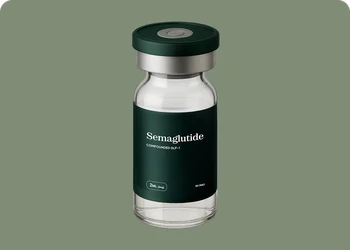
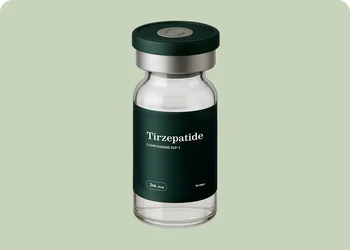
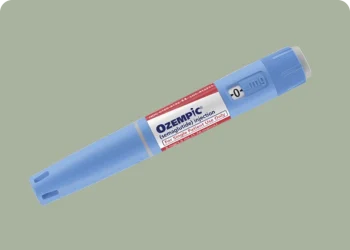
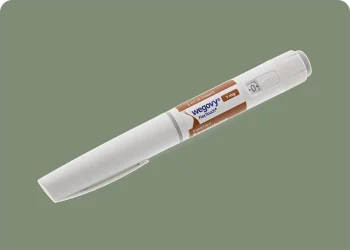
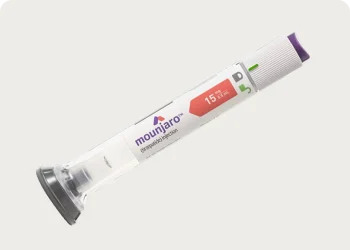
Semaglutide and tirzepatide are the two most effective weight-loss medications available today — close cousins, not rivals from different classes. Semaglutide is the active ingredient in Ozempic®, Wegovy®, and Rybelsus®; it activates a single gut-hormone receptor (GLP-1). Tirzepatide is the active ingredient in Mounjaro® and Zepbound®; it is a "dual agonist" that activates two receptors (GIP and GLP-1). In the first and only large head-to-head trial — SURMOUNT-5 — adults on tirzepatide lost an average of 20.2% of their body weight at 72 weeks versus 13.7% on semaglutide 3.
On the numbers alone, tirzepatide produced more weight loss for the average participant. But "best on average" is not "best for you" — the right medication depends on your medical history, which conditions you're treating (diabetes, weight, sleep apnea, cardiovascular risk), tolerability, insurance, and supply. Both carry essentially the same class warnings and the same dose-dependent gastrointestinal side effects, and both reverse when stopped — making them tools within a supervised program, not a quick fix.
One rule applies to both, with no exceptions: you should never take two GLP-1 medications at the same time. That includes taking Wegovy and Ozempic together (they are the same molecule). We cover safe switching — and why combining is never appropriate — below.
Same Class, Two Different Molecules
Both drugs belong to the family of GLP-1 medications for weight loss — incretin therapies that mimic gut hormones your body releases after eating. For the full biology, see how GLP-1 medications work. The short version:
- Semaglutide is a GLP-1 receptor agonist — it mimics glucagon-like peptide-1, slowing stomach emptying, prompting glucose-dependent insulin release, and acting on appetite centers in the brain to reduce hunger and "food noise."
- Tirzepatide is a dual GIP/GLP-1 receptor agonist — it does everything semaglutide does plus activates the GIP (glucose-dependent insulinotropic polypeptide) receptor, which is thought to enhance appetite and energy regulation and may explain its larger average weight loss, though the science on why GIP helps is still maturing.
Both are taken as a once-weekly subcutaneous injection for their highest-efficacy formulations, with oral options discussed below. Because they overlap so heavily in mechanism, they are not additive — stacking them does not unlock a second pathway, it just multiplies side effects.
The Brand Map: Which Name Is Which Drug
One of the most confusing parts of this topic is that each molecule is sold under multiple brand names with different FDA-approved uses. Here is the current map:
| Brand | Molecule | FDA-approved for | Max dose | Route |
|---|---|---|---|---|
| Ozempic® | Semaglutide | Type 2 diabetes; cardiovascular risk reduction and kidney-disease risk reduction in type 2 diabetes 8 | 2.0 mg weekly | Injection |
| Wegovy® (injection) | Semaglutide | Chronic weight management; reducing major cardiovascular events in adults with established CVD plus obesity/overweight; MASH liver disease 5 | 2.4 mg weekly | Injection |
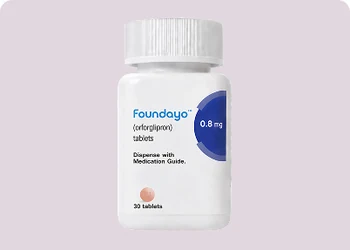
| Wegovy® (tablet) | Semaglutide | Chronic weight management and cardiovascular risk reduction (oral GLP-1, FDA-approved Dec 2025) 6 | 25 mg daily | Oral tablet |
| Rybelsus® | Semaglutide | Type 2 diabetes (not weight loss) | 14 mg daily | Oral tablet |
| Mounjaro® | Tirzepatide | Type 2 diabetes 9 | 15 mg weekly | Injection |
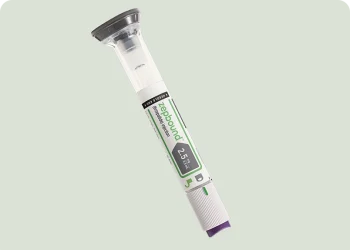
| Zepbound® | Tirzepatide | Chronic weight management; moderate-to-severe obstructive sleep apnea in obesity 7 | 15 mg weekly | Injection |
Two things to note: for weight management specifically, the FDA-approved products are Wegovy (semaglutide) and Zepbound (tirzepatide), while Ozempic and Mounjaro are approved for diabetes despite containing the same molecules. And Rybelsus is not the oral version of Wegovy — it is oral semaglutide for type 2 diabetes; the first oral semaglutide approved for weight management is the separate, higher-dose Wegovy tablet (25 mg daily), approved December 22, 2025 6. Insurance often covers the diabetes brands more readily, which drives the "off-label Ozempic" problem discussed below.
What the Trials Show: Efficacy Head-to-Head
For years this comparison was indirect — we compared the semaglutide trials to the tirzepatide trials and inferred a difference. In their pivotal monotherapy trials, semaglutide 2.4 mg produced a mean 14.9% weight loss at 68 weeks (STEP 1, vs 2.4% on placebo) 1, while tirzepatide produced 15.0% (5 mg), 19.5% (10 mg), and 20.9% (15 mg) at 72 weeks (SURMOUNT-1, vs 3.1% on placebo) 2.
That changed in 2025 with SURMOUNT-5, the first direct, randomized comparison: a 72-week trial that assigned 751 adults with obesity (without diabetes) to the maximum tolerated dose of each drug. Tirzepatide produced a mean weight reduction of 20.2% versus 13.7% for semaglutide — a roughly 6.5-percentage-point advantage 3. The gap widened at the higher response thresholds:
| Outcome at 72 weeks | Tirzepatide | Semaglutide |
|---|---|---|
| Mean body-weight reduction | 20.2% | 13.7% |
| Lost ≥10% of body weight | 81.6% | 60.5% |
| Lost ≥15% of body weight | 64.6% | 40.1% |
| Lost ≥20% of body weight | 48.4% | 27.3% |
| Lost ≥25% of body weight | 31.6% | 16.1% |
Tirzepatide also produced a greater reduction in waist circumference 3. For a month-by-month picture of how these curves typically unfold, see expected weight-loss timeline.
Two caveats. SURMOUNT-5 was open-label (participants knew which drug they were taking), so it is best read as "tirzepatide was more effective on average" rather than a precise margin 3. And these are averages — individual results vary widely, some people lose more on semaglutide than the average person does on tirzepatide. The figures are a projection, not a promise, and reflect trial conditions with intensive lifestyle support.
Beyond the scale. Semaglutide 2.4 mg carries the strongest cardiovascular-outcomes evidence to date: in the SELECT trial of more than 17,600 adults with established cardiovascular disease and obesity (no diabetes), it cut the risk of cardiovascular death, heart attack, or stroke by about 20% (6.5% vs 8.0% on placebo) over a mean of roughly 3.3 years 4. Tirzepatide (Zepbound) has its own edge: it is the only one of the two FDA-approved to treat obstructive sleep apnea in obesity 7. So "which is better" genuinely depends on what else you are treating.
Side Effects and Tolerability
The two drugs share a nearly identical side-effect profile because they act through overlapping pathways. The most common effects are gastrointestinal — nausea, vomiting, diarrhea, and constipation — and they are dose-dependent, meaning they tend to appear when the dose increases and ease as your body adapts 5, 7. For practical management strategies, see nausea and digestive side effects and the broader GLP-1 side effects overview.
Interestingly, in SURMOUNT-5, fewer people discontinued tirzepatide because of GI side effects (2.7%) than semaglutide (5.6%) — so the more effective drug was not the less tolerable one in that head-to-head 3. That said, tolerability is highly individual; some people simply feel better on one molecule than the other.
Both medications carry the same class safety considerations under their FDA labels 5, 7:
- A boxed warning about thyroid C-cell tumors observed in rodents. Both are contraindicated if you have a personal or family history of medullary thyroid carcinoma (MTC) or Multiple Endocrine Neoplasia syndrome type 2 (MEN 2).
- Risk of pancreatitis, gallbladder disease, and acute kidney injury from dehydration when vomiting or diarrhea is severe.
- Low blood sugar risk, especially when combined with insulin or sulfonylureas — see blood-sugar effects.
- Both slow stomach emptying, which affects how other oral medications are absorbed — see drug interactions — and both are not recommended in pregnancy for weight management.
- Both can drive muscle (lean-mass) loss alongside fat loss if not managed — up to roughly 40% of weight lost on GLP-1s can be muscle without proper support. See muscle-loss prevention.
Dosing and Schedules
Both injectable medications start low and increase gradually to limit side effects:
- Wegovy (semaglutide injection) titrates through 0.25 → 0.5 → 1.0 → 1.7 → 2.4 mg once weekly over several months 5.
- Zepbound (tirzepatide) titrates through 2.5 → 5 → 7.5 → 10 → 12.5 → 15 mg once weekly, with at least four weeks at each step before increasing 7.
The "best" dose is not necessarily the maximum dose — many people reach their goals at an intermediate step, and pushing higher only adds side effects without proportional benefit. Dose decisions, titration speed, and any pause or step-down belong with your clinician; see dosing and titration. Never adjust your own dose to "catch up."
Cost and Access
Price and coverage frequently drive the real-world choice more than efficacy data. Both brand-name weight-management products are expensive without coverage, and insurance treatment differs by indication and plan; the new oral Wegovy tablet launched at a lower cash price than the injectables, which may shift access 6. Because the landscape changes quickly, see cost and insurance coverage for current strategies and who qualifies / eligibility for the BMI criteria.
A word of caution on cost-cutting: compounded versions of both drugs have proliferated and carry real quality and dosing risks — see compounded semaglutide safety before considering one.
Can You Switch — or Combine — Semaglutide and Tirzepatide?
This is one of the most common questions patients ask, and it has a clear answer.
You cannot take two GLP-1 medications at the same time. That includes the seemingly innocent case of taking Wegovy if you already have Ozempic — because both are the same molecule (semaglutide). The Wegovy prescribing information explicitly states that concomitant use with other semaglutide-containing products or any other GLP-1 receptor agonist is not recommended 5. Doubling up does not produce a different mechanism or extra benefit; the receptor is already occupied. It simply increases total drug exposure beyond what has ever been studied, amplifying nausea, vomiting, diarrhea, dehydration, kidney-injury risk, and — in people with diabetes — dangerous low blood sugar 5.
The same logic applies across the whole class. Do not combine any two GLP-1 drugs — semaglutide (Wegovy/Ozempic/Rybelsus), tirzepatide (Mounjaro/Zepbound), or older agents like liraglutide (Saxenda®/Victoza®) and dulaglutide (Trulicity®). Tirzepatide activates the GLP-1 receptor too, so combining it with semaglutide stacks GLP-1 activation with no safety data behind it.
Switching, however, is a completely different matter and is often appropriate under medical supervision when there is a clinical reason — moving from a diabetes-focused drug to a weight-management one, responding to insurance changes, needing a higher dose ceiling, or seeking tirzepatide's larger average weight loss. A supervised switch involves documenting the clinical rationale; dose mapping (you generally do not restart the full titration from the lowest dose if you are already established on a meaningful dose); timing the change so the last dose of the old weekly drug and the first dose of the new one fall on consecutive injection days with no overlap; and monitoring blood glucose (especially in diabetes) and any return of GI side effects as the dose resets.
This kind of managed transition is exactly what a supervised program handles routinely. See stopping GLP-1s and weight regain for what happens when you come off entirely.
One related pitfall worth naming: when Ozempic is prescribed off-label for weight loss (often because it is easier to cover than Wegovy), its 2.0 mg ceiling sits below Wegovy's 2.4 mg weight-management dose, so it may not deliver the full studied range — and that demand has fueled shortages and a counterfeit market. A supervised program avoids this by matching the right product to the right indication from the start.
Which One Is Right for You?
There is no universal winner. A reasonable framework, to be applied with your clinician:
- If maximum average weight loss is the priority and there is no contraindication, the SURMOUNT-5 data favor tirzepatide (Zepbound) 3.
- If you have established cardiovascular disease, semaglutide (Wegovy 2.4 mg) has the proven heart-event reduction data (SELECT) 4.
- If you have obstructive sleep apnea with obesity, tirzepatide (Zepbound) carries that specific FDA approval 7.
- If you have type 2 diabetes, either molecule's diabetes brand (Ozempic or Mounjaro) may be appropriate — coordinate with the clinician managing your diabetes.
- If you prefer a pill over an injection, the oral Wegovy tablet is now an option for weight management 6.
- Tolerability and cost can override all of the above — the most effective drug is the one you can stay on, afford, and take consistently.
If menopause is part of your picture, hormonal shifts can blunt weight-loss response and shift fat storage; see GLP-1s and menopause and our menopause hub on perimenopause weight gain and visceral fat.
Red Flags — Seek Care Now
Regardless of which medication you are on, seek prompt medical care for:
- Severe, persistent abdominal pain (especially radiating to the back, with or without vomiting) — possible pancreatitis.
- Inability to keep fluids down, signs of dehydration, or markedly reduced urination — risk of acute kidney injury.
- Severe upper-right abdominal pain, fever, or yellowing of the skin/eyes — possible gallbladder disease.
- Symptoms of very low blood sugar (shakiness, confusion, sweating, fainting), particularly if you also take insulin or a sulfonylurea.
- A neck lump, hoarseness, or trouble swallowing — discuss thyroid concerns with your clinician.
- Severe allergic reaction (swelling, difficulty breathing).
See serious side effects and red flags for the full list.
What You Can Do About It
- Don't choose blind. Bring your full history — diabetes, heart disease, sleep apnea, family history of thyroid cancer, current medications — to the conversation. The "best" GLP-1 is the one that fits your profile, not the one that tested best on average.
- Treat the dose as a clinical decision, not a target. More is not better past the point your appetite is controlled; let titration be guided by response and tolerability, and protect lean mass with resistance training and adequate protein (muscle-loss prevention).
- Never combine GLP-1s, and switch only under supervision. If you have leftover product from a previous prescription, do not add it on top of a new one.
- Plan for maintenance from day one. Because both drugs' effects fade after stopping, decide early — with your clinician — on a long-term plan, which may include a lower maintenance dose or a structured step-down (stopping GLP-1s and weight regain).
- Get supervised care. A clinician-led program screens for contraindications, monitors for interactions, and adjusts the plan as you respond. See what clinically supervised GLP-1 care includes.
Get Started with JumpstartMD
If you're trying to decide between semaglutide and tirzepatide — or wondering whether to switch — that decision is best made with a clinician who sees the whole picture, not a formulary default.
JumpstartMD was founded in 2007 by Stanford-trained physicians, with programs built around labs, hormones, and body composition, and peer-reviewed outcomes published in the Journal of Obesity. You're seen face-to-face by a licensed clinician — in person at one of our 14 California locations or online across California — so medication choice is matched to your medical history and goals from the start.
Care begins with a 60-biomarker lab screening and InBody® body-composition scanning at every visit cadence, which tracks lean mass so you lose fat, not strength — important because up to 40% of weight lost on GLP-1s can be muscle without supervision. We prescribe the full range of FDA-approved options — Ozempic®, Wegovy®, Zepbound®, Mounjaro®, and Rybelsus® — alongside non-GLP-1 and no-medication plans, with flexible dosing, microdosing, and maintenance support. Every prescription includes contraindication screening, drug-interaction monitoring, clinician-managed titration, restart protocols, and a step-down/taper plan to protect results after the medication phase. Pricing is personalized — you pay for the dose prescribed, not a flat monthly medication fee — and health coaching and nutrition guidance are included in membership.
Ready to find the right fit? Schedule a free, no-obligation consultation by phone or through our online form.
Book FREE Consultation
Share your details and a JumpstartMD team member will reach out shortly. Or call 408.478.3496 for your free, no-obligation consultation.
Share your details and a JumpstartMD team member will reach out when we open — or start online right now.
Related Articles
- How GLP-1 medications work — the mechanism behind single vs. dual receptor agonism, in plain English.
- Expected weight-loss timeline — what the STEP and SURMOUNT curves mean month by month for either drug.
- Dosing and titration — how each medication is started, increased, and maintained.
- Cost and insurance coverage — why coverage often differs between the diabetes and weight-management brands.
- GLP-1 side effects — the shared side-effect profile and how to manage it.
Frequently Asked Questions
Can I take Wegovy if I have Ozempic?
No — you should not take Wegovy and Ozempic at the same time. Both contain the same active ingredient, semaglutide, and the Wegovy prescribing information explicitly recommends against using it with other semaglutide-containing products or any other GLP-1 receptor agonist 5. Taking both means doubling up on the same drug, which raises the risk of severe nausea, vomiting, dehydration, and — in people with diabetes — low blood sugar, with no added benefit. Switching from Ozempic to Wegovy (or the reverse) is possible under medical supervision when there is a clinical reason, with appropriate dose mapping and monitoring 5.
Is tirzepatide better than semaglutide for weight loss?
On average, yes — in the head-to-head SURMOUNT-5 trial, tirzepatide produced about 20.2% weight loss versus 13.7% for semaglutide at 72 weeks 3. But these are averages; individual responses vary, and semaglutide has the strongest cardiovascular-outcomes evidence (SELECT) while tirzepatide carries the obstructive sleep apnea approval 4, 7. The better choice depends on your full medical picture, tolerability, and cost.
What's the difference between Zepbound and Wegovy?
Zepbound is tirzepatide (a dual GIP/GLP-1 agonist) approved for weight management and obstructive sleep apnea; Wegovy is semaglutide (a GLP-1 agonist) approved for weight management, cardiovascular risk reduction in established CVD, and MASH liver disease 5, 7. Zepbound produced more weight loss on average in head-to-head testing 3; Wegovy has the heart-event outcome data.
Can I switch from semaglutide to tirzepatide?
Yes, switching is common and appropriate under medical supervision. You generally do not restart the full titration from the lowest dose if you are already established; your clinician maps your current dose to a target on the new medication, times the transition to avoid overlap, and monitors for returning GI side effects and (if relevant) blood-sugar changes. You should never run the two drugs concurrently.
Is Rybelsus the pill version of Wegovy?
No. Rybelsus is oral semaglutide approved only for type 2 diabetes. The first oral semaglutide approved for weight management is the Wegovy tablet (25 mg once daily), approved in December 2025 — a separate, higher-dose product 6. If a pill is preferred for weight loss, the oral Wegovy tablet is the relevant option, not Rybelsus.
Do semaglutide and tirzepatide have the same side effects?
Largely, yes. Both most commonly cause dose-dependent gastrointestinal effects (nausea, vomiting, diarrhea, constipation) and share the same class warnings — including a boxed warning about thyroid C-cell tumors and contraindications for people with a personal or family history of medullary thyroid cancer or MEN 2 5, 7. In SURMOUNT-5, slightly fewer people stopped tirzepatide than semaglutide because of GI side effects 3. And like all GLP-1s, both regain weight after stopping unless a maintenance plan is in place — see stopping GLP-1s and weight regain.
References
- J. P. H. Wilding, R. L. Batterham, S. Calanna, et al., "Once-weekly semaglutide in adults with overweight or obesity," New England Journal of Medicine, vol. 384, no. 11, pp. 989-1002, Mar. 18, 2021, [Online]. Available: https://doi.org/10.1056/NEJMoa2032183. PMID: 33567185. [Accessed: Jun. 10, 2026]. ↩
- A. M. Jastreboff, L. J. Aronne, N. N. Ahmad, et al., "Tirzepatide once weekly for the treatment of obesity," New England Journal of Medicine, vol. 387, no. 3, pp. 205-216, Jul. 21, 2022, [Online]. Available: https://doi.org/10.1056/NEJMoa2206038. PMID: 35658024. [Accessed: Jun. 10, 2026]. ↩
- L. J. Aronne, N. Sattar, D. B. Horn, et al., "Tirzepatide as compared with semaglutide for the treatment of obesity," New England Journal of Medicine, vol. 393, no. 1, pp. 26-36, Jul. 3, 2025, [Online]. Available: https://doi.org/10.1056/NEJMoa2416394. PMID: 40353578. [Accessed: Jun. 10, 2026]. ↩
- A. M. Lincoff, K. Brown-Frandsen, H. M. Colhoun, et al., "Semaglutide and cardiovascular outcomes in obesity without diabetes," New England Journal of Medicine, vol. 389, no. 24, pp. 2221-2232, Dec. 14, 2023, [Online]. Available: https://doi.org/10.1056/NEJMoa2307563. PMID: 37952131. [Accessed: Jun. 10, 2026]. ↩
- Novo Nordisk, "Highlights of Prescribing Information: Wegovy (semaglutide) injection, for subcutaneous use," U.S. Food and Drug Administration, 2025. [Online]. Available: https://www.accessdata.fda.gov/drugsatfda_docs/label/2025/215256s024lbl.pdf. [Accessed: Jun. 10, 2026]. ↩
- Novo Nordisk, "Highlights of Prescribing Information: Wegovy (semaglutide) tablets, for oral use," U.S. Food and Drug Administration, NDA 218316, 2025. [Online]. Available: https://www.accessdata.fda.gov/drugsatfda_docs/label/2025/218316Orig1s000lbl.pdf. [Accessed: Jun. 10, 2026]. ↩
- Eli Lilly and Company, "Highlights of Prescribing Information: Zepbound (tirzepatide) injection, for subcutaneous use," U.S. Food and Drug Administration, 2024. [Online]. Available: https://www.accessdata.fda.gov/drugsatfda_docs/label/2024/217806s013lbl.pdf. [Accessed: Jun. 10, 2026]. ↩
- Novo Nordisk, "Highlights of Prescribing Information: Ozempic (semaglutide) injection, for subcutaneous use," U.S. Food and Drug Administration, 2023. [Online]. Available: https://www.accessdata.fda.gov/drugsatfda_docs/label/2023/209637s020s021lbl.pdf. [Accessed: Jun. 10, 2026]. ↩
- Eli Lilly and Company, "Highlights of Prescribing Information: Mounjaro (tirzepatide) injection, for subcutaneous use," U.S. Food and Drug Administration, 2024. [Online]. Available: https://www.accessdata.fda.gov/drugsatfda_docs/label/2024/215866s010s015s022lbl.pdf. [Accessed: Jun. 10, 2026]. ↩