


In a Nutshell
Under current FDA labeling, you qualify for a GLP-1 weight loss medication such as semaglutide (Wegovy®) or tirzepatide (Zepbound®) through one of two main routes: a BMI of 30 or higher (the clinical definition of obesity), or a BMI of 27 or higher plus at least one weight-related health condition — the labels name examples such as high blood pressure, type 2 diabetes, abnormal cholesterol, obstructive sleep apnea, and cardiovascular disease 1, 2.
The labels have also expanded beyond weight alone. Zepbound is FDA-approved to treat moderate-to-severe obstructive sleep apnea in adults with obesity — the first medication ever approved for OSA 2, 6. Wegovy is approved to reduce the risk of heart attack, stroke, and cardiovascular death in adults with established heart disease and overweight or obesity, based on a 17,604-patient trial showing a 20% relative risk reduction 1, 3, 5. Wegovy is additionally approved for adolescents 12 and older with obesity, and — as of late 2025 — is available as a once-daily tablet as well as the weekly injection 1.
Meeting label criteria, however, is only the first of three gates. Insurance eligibility is frequently stricter than the FDA label, and clinical appropriateness — contraindication screening for thyroid cancer history, pregnancy, pancreatitis, and medication interactions — is the part a two-minute online questionnaire cannot do. This page walks through all three.
The FDA's Baseline Criteria: BMI Plus Health Conditions
The chronic weight management indication for both semaglutide and tirzepatide uses the same framework, always as an adjunct to a reduced-calorie diet and increased physical activity 1, 2:
- BMI ≥ 30 kg/m² (obesity), with or without other health conditions; or
- BMI ≥ 27 kg/m² (overweight) plus at least one weight-related comorbidity — the Zepbound label lists hypertension, dyslipidemia, type 2 diabetes, obstructive sleep apnea, and cardiovascular disease as examples 2; the Wegovy weight-management indication names hypertension, type 2 diabetes, and dyslipidemia 1.
Because most people don't think in BMI units, here is what those thresholds look like at common heights:
| Height | BMI 27 (qualifies with a health condition) | BMI 30 (qualifies on BMI alone) |
|---|---|---|
| 5'4" | ~157 lb | ~175 lb |
| 5'6" | ~167 lb | ~186 lb |
| 5'8" | ~178 lb | ~197 lb |
| 5'10" | ~188 lb | ~209 lb |
| 6'0" | ~199 lb | ~221 lb |
Which medications carry which approval matters more than most people realize:
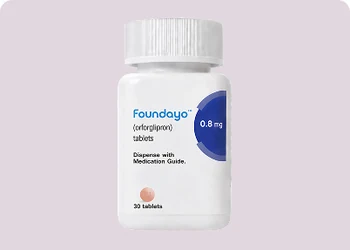
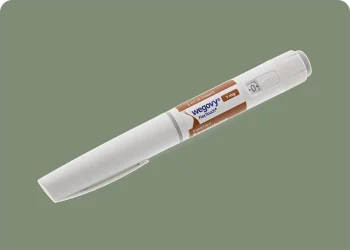
- Wegovy® (semaglutide) — chronic weight management in adults and in adolescents 12+ with obesity (BMI at or above the 95th percentile for age and sex); cardiovascular risk reduction in adults with established cardiovascular disease and overweight or obesity; and noncirrhotic MASH (a form of fatty liver disease with moderate-to-advanced fibrosis) 1. In December 2025, the FDA also approved a Wegovy oral tablet, the first oral GLP-1 for weight loss in adults 1.
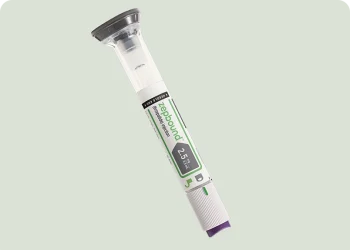
- Zepbound® (tirzepatide) — chronic weight management in adults, and moderate-to-severe obstructive sleep apnea in adults with obesity 2. It is not approved for anyone under 18 2.
- Saxenda® (liraglutide) — an older, daily-injection GLP-1 with a chronic weight management indication under the same BMI framework.
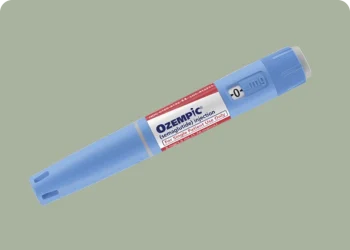
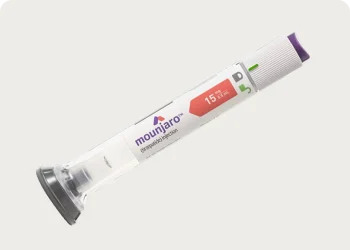
- Ozempic®, Mounjaro®, and Rybelsus® — these contain the same active ingredients as Wegovy and Zepbound (semaglutide and tirzepatide, respectively), but they are FDA-approved for type 2 diabetes, not weight management. If you don't have diabetes, the weight-management products are the on-label route. The brand distinctions, doses, and how the molecules differ are covered in our semaglutide vs. tirzepatide comparison.
One honest caveat about BMI itself: it is a screening number, not a diagnosis. A 2025 Lancet Commission on clinical obesity concluded that BMI can both underestimate and overestimate body fat at the individual level, and recommended adding measures such as waist circumference and direct body-composition assessment before labeling someone's health status 9. That cuts both ways for eligibility — a muscular person can carry a BMI of 31 with little excess fat, while someone at a "normal" BMI can carry metabolically risky visceral fat. This is one reason a proper evaluation measures body composition rather than relying on the scale alone.
Beyond Weight: The Newer Label Indications
Two label expansions changed who qualifies — and, just as importantly, what insurance will sometimes pay for.
Cardiovascular risk reduction (Wegovy). In the SELECT trial, 17,604 adults aged 45+ with established cardiovascular disease and a BMI of 27 or higher — but no diabetes — were randomized to weekly semaglutide 2.4 mg or placebo. A major cardiovascular event (cardiovascular death, heart attack, or stroke) occurred in 6.5% of the semaglutide group vs. 8.0% on placebo — a 20% relative risk reduction 3. In March 2024, the FDA made Wegovy the first weight-management medication approved specifically to reduce cardiovascular risk in this population 5. If you have a history of heart attack, stroke, or peripheral arterial disease and carry excess weight, you may qualify through this route even if weight loss isn't your primary goal.
Obstructive sleep apnea (Zepbound). In the SURMOUNT-OSA trials, tirzepatide reduced sleep-apnea severity — measured by the apnea–hypopnea index, the number of breathing interruptions per hour of sleep — dramatically more than placebo, with reductions of up to nearly two-thirds, alongside roughly 18–20% body-weight reductions 4. The FDA approved Zepbound for moderate-to-severe OSA in adults with obesity in December 2024, the first medication ever approved for OSA 6. A sleep study documenting your OSA, plus obesity, can qualify you for Zepbound — and this indication is one of the few routes to Medicare coverage (more below).
These approvals reflect what the underlying trials showed about weight itself: semaglutide produced an average 14.9% body-weight reduction at 68 weeks in the STEP 1 trial (vs. 2.4% for placebo) 7, and tirzepatide produced up to 20.9% at 72 weeks in SURMOUNT-1 (vs. 3.1%) 8. What that trajectory typically looks like month by month is covered in our expected weight loss timeline.
Who Should NOT Take a GLP-1
Qualifying on BMI means little if you have a contraindication. This is the screening step that separates medical care from a sales funnel.
Label contraindications (do not use) 1, 2:
- Personal or family history of medullary thyroid carcinoma (MTC) — a rare thyroid cancer. In rodent studies, these drugs caused thyroid C-cell tumors; whether this applies to humans is unknown, so both labels carry a boxed warning and exclude anyone with MTC history.
- Multiple Endocrine Neoplasia syndrome type 2 (MEN 2) — a genetic syndrome that predisposes to MTC.
- A previous serious allergic reaction to semaglutide, tirzepatide, or any ingredient in the product.
Pregnancy, planned pregnancy, and breastfeeding. GLP-1 medications should not be used during pregnancy — weight loss offers no benefit in pregnancy and may harm the fetus. The Wegovy label instructs patients to stop the medication when pregnancy is recognized and to discontinue at least 2 months before a planned pregnancy because of semaglutide's long half-life 1. Tirzepatide adds a practical wrinkle: it can reduce the absorption of birth-control pills, so the Zepbound label advises switching to a non-oral contraceptive or adding a barrier method for 4 weeks after starting and after each dose increase 2. Full guidance is in our GLP-1, pregnancy, and fertility article.
History of pancreatitis. Acute pancreatitis has occurred in patients on these medications, and the labels state they have not been studied in people with a history of pancreatitis 1, 2. That doesn't make a pancreatitis history an automatic, permanent "no" — but it demands an individualized risk discussion with a clinician, not a checkbox. Know the warning signs either way: our guide to serious side effects and red flags covers how pancreatitis differs from ordinary GLP-1 nausea.
Situations that require caution and closer supervision rather than automatic exclusion:
- Severe gastrointestinal disease (such as gastroparesis) — these drugs slow stomach emptying, which can worsen it. See how GLP-1 medications work.
- Insulin or sulfonylurea use — combining these with a GLP-1 raises hypoglycemia risk and usually requires dose adjustments 2. More in blood sugar effects and drug interactions.
- History of gallbladder disease — gallstones become more common during rapid weight loss.
- History of depression or suicidal ideation — not an exclusion, but a reason for structured mood and mental health monitoring during treatment.
- Diabetic retinopathy (for people with type 2 diabetes on semaglutide) — needs ophthalmologic follow-up.
- An active eating disorder — appetite-suppressing medication can mask or worsen restrictive patterns; evaluation should come first.
- Already taking another GLP-1. Never combine two GLP-1 products, including a branded drug plus a compounded version 2.
Label Eligibility vs. Insurance Eligibility vs. Clinical Appropriateness
These three gates get conflated constantly, and the confusion costs people months. They are different questions:
Gate 1 — Label eligibility: "May this drug be prescribed for me?" The FDA criteria above. This is the easiest gate — most American adults seeking weight loss treatment clear it, since roughly three in four U.S. adults have overweight or obesity.
Gate 2 — Insurance eligibility: "Will someone else pay for it?" Insurers apply their own criteria, which are routinely stricter than the label: prior authorization with documented BMI and comorbidities, step-therapy requirements, documented months of lifestyle intervention first, and re-authorization that can require proof of a minimum percentage of weight lost. Many employer plans simply exclude weight-management drugs entirely — a plan exclusion, not a judgment about you. Medicare is its own case: by statute, Part D cannot cover drugs for weight loss alone, but it can cover Wegovy for the cardiovascular indication and Zepbound for sleep apnea 10. As of June 2026, that picture is shifting: the CMS "Medicare GLP-1 Bridge" demonstration will give eligible Part D beneficiaries access to certain GLP-1s approved for weight reduction at a $50 monthly copay from July 1, 2026 through December 31, 2027 10. Current prices, prior-authorization timelines, and appeal strategies are covered in GLP-1 cost and insurance coverage.
Gate 3 — Clinical appropriateness: "Is this drug a good idea for me, now?" This is the gate that online "do I qualify?" quizzes skip. A BMI number cannot reveal a family history of medullary thyroid cancer, a pancreatitis episode five years ago, an interaction with your current medications, a pregnancy planned for next spring, or whether your weight is driven by an untreated condition — thyroid disease, perimenopause, a medication side effect — that deserves attention first or alongside. It also can't determine whether you'd be better served by a different starting medication, a lower-dose strategy, or a non-medication plan. Answering a questionnaire honestly is necessary; it is nowhere near sufficient.
Red Flags — Signs a Prescriber Isn't Actually Screening You
If you're evaluating an online or in-person provider, walk away — or at least dig deeper — if you see any of these:
- "Find out if you qualify in 2 minutes" with no clinician conversation before a prescription is issued
- No questions about thyroid cancer, MEN 2, pancreatitis, or pregnancy plans — the core label contraindications 1, 2
- No request for your medication list or medical records, and no baseline labs offered
- No weight, body composition, or vitals measured — eligibility taken entirely on self-report
- Only compounded product is offered, with no mention of FDA-approved options — see is compounded semaglutide safe?
- No follow-up plan for dose titration, side effect management, or what happens when you eventually stop the medication
How to Find Out If You Qualify
A practical sequence, from self-check to clinical confirmation:
- Calculate your BMI honestly. Use the table above or any BMI calculator with your current measured weight. If you're at 30+, you meet the baseline label criterion; at 27–29.9, move to step 2.
- Inventory your weight-related conditions. High blood pressure, prediabetes or type 2 diabetes, high cholesterol or triglycerides, diagnosed or suspected sleep apnea (loud snoring, gasping, daytime sleepiness are reasons to get a sleep study), PCOS, fatty liver disease, or established heart disease. Documentation — a diagnosis in your chart, a lab value, a sleep study — is what both prescribers and insurers will want.
- List everything a prescriber must screen. Personal and family thyroid cancer history, any pancreatitis history, current medications (including insulin, sulfonylureas, and birth control pills), pregnancy plans, GI conditions, and mental health history.
- Check your coverage before you fall in love with a specific drug. Call the member line and ask whether Wegovy and Zepbound are on formulary, what prior authorization requires, and whether your plan excludes weight-management drugs. If coverage fails, cash-pay routes and manufacturer programs exist.
- Get a real clinical evaluation. A proper intake includes a full history, medication review, baseline labs (metabolic panel, thyroid, lipids — abnormalities can both qualify you and change the treatment plan), body-composition measurement, and a discussion of alternatives. That's also where edge cases get resolved properly: BMI just under threshold, weight regain after prior loss, menopause-related weight gain (see GLP-1s and menopause), or whether to address muscle preservation from day one.
If you don't currently meet label criteria, that is not a dead end — it's a redirect. Structured nutrition and lifestyle programs, treating the conditions driving weight gain, and non-GLP-1 medications are all legitimate paths, and a weight-management clinician can sequence them.
Get Started with JumpstartMD
If you've been wondering whether you qualify — or you've been "approved" by an online quiz and something about that felt too easy — the next step is an actual medical evaluation. JumpstartMD was founded in 2007 by Stanford-trained physicians, builds its programs around labs, hormones, and body composition, and has published its outcomes in the peer-reviewed Journal of Obesity.
Eligibility screening here is the real thing: a 60-biomarker lab panel, a full medical and medication history with contraindication screening before any prescription is written, and InBody® body-composition scanning at every visit — so treatment decisions are based on your fat mass, muscle mass, and metabolic health rather than a single BMI number. That matters throughout treatment too: without supervision, up to 40% of the weight lost on GLP-1s can be muscle, and tracking lean mass is how you lose fat, not strength.
You'll see a licensed clinician face-to-face — in person at any of 14 California locations or online across California. If GLP-1 medications for weight loss are appropriate for you, FDA-approved options include Ozempic®, Wegovy®, Zepbound®, Mounjaro®, and Rybelsus®, with clinician-managed titration, drug-interaction monitoring, flexible dosing and microdosing strategies, restart protocols, and a step-down plan to protect your results after the medication phase. If they're not appropriate — or you simply prefer another route — non-GLP-1 medication and no-medication plans are core programs, not consolation prizes. Medication pricing is personalized: you pay for the dose you're actually prescribed, not a flat monthly medication fee, and health coaching and nutrition guidance are included in membership.
Find out whether you qualify — and what would actually work for your body. Book a free, no-obligation consultation by phone or through our online form.
Book FREE Consultation
Share your details and a JumpstartMD team member will reach out shortly. Or call 408.478.3496 for your free, no-obligation consultation.
Share your details and a JumpstartMD team member will reach out when we open — or start online right now.
Related Articles
- What clinically supervised GLP-1 care includes — what the screening described above looks like in practice, visit by visit
- GLP-1 cost and insurance coverage — prior authorization, current prices, and what to do about a denial
- GLP-1 side effects — the full safety landscape your eligibility screening is designed to protect you from
- GLP-1 medications, pregnancy, and fertility — contraception requirements and washout timing before conceiving
- Semaglutide vs. tirzepatide — once you qualify, how the two leading medications compare
- Is compounded semaglutide safe? — why "no questions asked" sourcing is a red flag, not a perk
Frequently Asked Questions
What BMI do you need to qualify for Wegovy or Zepbound?
A BMI of 30 or higher qualifies on its own under both FDA labels. A BMI of 27–29.9 qualifies if you also have at least one weight-related condition — the labels name examples including high blood pressure, type 2 diabetes, dyslipidemia, obstructive sleep apnea, and cardiovascular disease 1, 2. At 5'6", those thresholds correspond to roughly 186 lb and 167 lb respectively. Insurance plans often impose stricter requirements than the label.
Do I qualify for Zepbound if I have sleep apnea?
Possibly through two routes. Sleep apnea counts as a weight-related comorbidity for the standard weight-management indication (BMI ≥ 27). Separately, Zepbound is specifically FDA-approved for moderate-to-severe obstructive sleep apnea in adults with obesity 2, 6 — an indication that requires a documented sleep study and, notably, is one Medicare Part D can cover 10. In trials, tirzepatide cut sleep-apnea severity by up to nearly two-thirds 4.
Can I get a GLP-1 if my BMI is under 27?
Not on-label for weight management. Below BMI 27, prescribing would be off-label, and most reputable clinicians won't do it — the trials that established safety and effectiveness enrolled people at or above the label thresholds 7, 8. If your BMI is below 27 but you're struggling with body composition, weight trajectory, or metabolic markers, a medical evaluation is still worthwhile: treating root causes and non-GLP-1 approaches are on-label paths, and body-composition testing may reveal a different problem than the scale suggests 9.
Can I take a GLP-1 if I've had pancreatitis?
It depends, and it's strictly a clinician's call. The FDA labels note these medications have not been studied in people with a history of pancreatitis 1, 2, and acute pancreatitis has occurred in treated patients. A clinician will weigh how long ago it happened, the cause (gallstones, alcohol, triglycerides), and your alternatives. Whatever is decided, learn the warning signs — severe, persistent abdominal pain that may radiate to the back — covered in our red flags guide.
Why do prescribers ask about thyroid cancer in my family?
Because it's a hard exclusion. Semaglutide and tirzepatide carry a boxed warning based on rodent studies in which they caused thyroid C-cell tumors. Anyone with a personal or family history of medullary thyroid carcinoma (MTC) or with MEN 2 syndrome should not take these medications 1, 2. A provider who never asks the question isn't screening you properly.
Will insurance cover a GLP-1 if I meet the FDA criteria?
Not necessarily — label eligibility and coverage are separate decisions. Plans commonly require prior authorization, step therapy, or documented lifestyle attempts, and many employer plans exclude weight-management drugs entirely. Medicare Part D cannot cover weight loss alone but can cover Wegovy for cardiovascular risk reduction and Zepbound for sleep apnea, and a CMS demonstration program adds broader access at a $50 copay for eligible beneficiaries starting July 1, 2026 10. See cost and insurance coverage for the full playbook.
Can teenagers take GLP-1 medications?
Wegovy is FDA-approved for adolescents 12 and older with obesity, defined as a BMI at or above the 95th percentile for age and sex 1. Zepbound is approved only for adults 2. Adolescent treatment involves growth, development, and family considerations beyond adult care and belongs with a pediatric-experienced clinician.
References
- U.S. Food and Drug Administration, "Highlights of Prescribing Information: WEGOVY (semaglutide) injection, for subcutaneous use; WEGOVY (semaglutide) tablets, for oral use," current FDA label via NIH DailyMed, [Online]. Available: https://dailymed.nlm.nih.gov/dailymed/drugInfo.cfm?setid=ee06186f-2aa3-4990-a760-757579d8f77b. [Accessed: Jun. 10, 2026]. ↩
- U.S. Food and Drug Administration, "Highlights of Prescribing Information: ZEPBOUND (tirzepatide) injection, for subcutaneous use," current FDA label via NIH DailyMed, [Online]. Available: https://dailymed.nlm.nih.gov/dailymed/drugInfo.cfm?setid=487cd7e7-434c-4925-99fa-aa80b1cc776b. [Accessed: Jun. 10, 2026]. ↩
- A. M. Lincoff, K. Brown-Frandsen, H. M. Colhoun, J. Deanfield, S. S. Emerson, S. Esbjerg, S. Hardt-Lindberg, G. Hovingh, S. E. Kahn, R. F. Kushner, I. Lingvay, T. K. Oliver, M. M. Michelsen, J. Plutzky, C. W. Tornøe, A. M. Ryan; SELECT Trial Investigators, "Semaglutide and cardiovascular outcomes in obesity without diabetes," New England Journal of Medicine, vol. 389, no. 24, pp. 2221-2232, Dec. 2023, [Online]. Available: https://doi.org/10.1056/NEJMoa2307563. PMID: 37952131. [Accessed: Jun. 10, 2026]. ↩
- A. Malhotra, R. R. Grunstein, I. Fietze, T. E. Weaver, S. Redline, A. Azarbarzin, A. V. Sands, R. J. Schwab, J. P. Dunn, S. Chakladar, M. C. Bunck, J. Bednarik; SURMOUNT-OSA Investigators, "Tirzepatide for the treatment of obstructive sleep apnea and obesity," New England Journal of Medicine, vol. 391, no. 13, pp. 1193-1205, Oct. 2024, [Online]. Available: https://doi.org/10.1056/NEJMoa2404881. PMID: 38912654. [Accessed: Jun. 10, 2026]. ↩
- U.S. Food and Drug Administration, "FDA approves first treatment to reduce risk of serious heart problems specifically in adults with obesity or overweight," FDA Press Announcement, Mar. 8, 2024, [Online]. Available: https://www.fda.gov/news-events/press-announcements/fda-approves-first-treatment-reduce-risk-serious-heart-problems-specifically-adults-obesity-or. [Accessed: Jun. 10, 2026]. ↩
- U.S. Food and Drug Administration, "FDA approves first medication for obstructive sleep apnea," FDA Press Announcement, Dec. 20, 2024, [Online]. Available: https://www.fda.gov/news-events/press-announcements/fda-approves-first-medication-obstructive-sleep-apnea. [Accessed: Jun. 10, 2026]. ↩
- J. P. H. Wilding, R. L. Batterham, S. Calanna, M. Davies, L. F. Van Gaal, I. Lingvay, B. M. McGowan, J. Rosenstock, M. T. D. Tran, T. A. Wadden, S. Wharton, K. Yokote, N. Zeuthen, R. F. Kushner; STEP 1 Study Group, "Once-weekly semaglutide in adults with overweight or obesity," New England Journal of Medicine, vol. 384, no. 11, pp. 989-1002, Mar. 2021, [Online]. Available: https://doi.org/10.1056/NEJMoa2032183. PMID: 33567185. [Accessed: Jun. 10, 2026]. ↩
- A. M. Jastreboff, L. J. Aronne, N. N. Ahmad, S. Wharton, L. Connery, B. Alves, A. Kiyosue, S. Zhang, B. Liu, M. C. Bunck, A. Stefanski; SURMOUNT-1 Investigators, "Tirzepatide once weekly for the treatment of obesity," New England Journal of Medicine, vol. 387, no. 3, pp. 205-216, Jul. 2022, [Online]. Available: https://doi.org/10.1056/NEJMoa2206038. PMID: 35658024. [Accessed: Jun. 10, 2026]. ↩
- F. Rubino, D. E. Cummings, R. H. Eckel, R. V. Cohen, J. P. H. Wilding, W. A. Brown, F. C. Stanford, R. L. Batterham, I. S. Farooqi, N. R. V. Farpour-Lambert, et al., "Definition and diagnostic criteria of clinical obesity," The Lancet Diabetes & Endocrinology, vol. 13, no. 3, pp. 221-262, Mar. 2025, [Online]. Available: https://doi.org/10.1016/S2213-8587(24)00316-4. PMID: 39824205. [Accessed: Jun. 10, 2026]. ↩
- Centers for Medicare & Medicaid Services, "Medicare GLP-1 Bridge," CMS.gov, [Online]. Available: https://www.cms.gov/medicare/coverage/prescription-drug-coverage/medicare-glp-1-bridge. [Accessed: Jun. 10, 2026]. ↩