
In a Nutshell
The sticker price of a brand-name GLP-1 is high — roughly $1,000 to $1,350 per month at list price as of June 2026 — but almost nobody pays that. What you actually pay depends on three things: whether your insurance covers the drug for weight loss, whether you qualify for a manufacturer savings card, and whether you buy through a manufacturer's cash-pay program instead of using insurance.
As of June 2026, the realistic numbers look like this. With commercial insurance that covers the drug, manufacturer savings cards can bring Wegovy® or Zepbound® down to about $25 per fill. Without coverage, the manufacturers' own direct-to-consumer programs — NovoCare® Pharmacy (Wegovy) and LillyDirect® (Zepbound) — sell the drugs for roughly $199 to $449 a month depending on dose and offer. Medicare still doesn't cover these drugs for weight loss alone, but two narrower pathways now exist, and Medicaid coverage varies enormously by state.
Prices and rules in this space change faster than almost any other category of medication, so every figure below is date-stamped as of June 2026 — confirm the current number before you budget. This page is part of our guide to GLP-1 medications for weight loss.
What GLP-1 Medications Cost at List Price (June 2026)
The "list price" (wholesale acquisition cost) is the manufacturer's published price before any insurance, rebate, or savings program. It is rarely what a patient pays, but it sets the ceiling — and it's what you face with no coverage and no discount program. As of June 2026:
| Medication | Drug (type) | Approx. list price/month (June 2026) | FDA-approved for weight loss? |
|---|---|---|---|
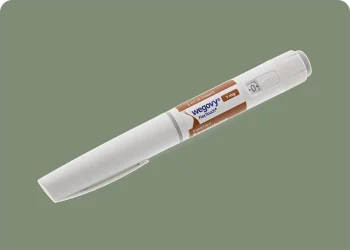
| Wegovy® injection | semaglutide | ~$1,349 | Yes |
| Wegovy® pill | oral semaglutide | ~$1,349 | Yes (approved Dec. 2025) 6 |
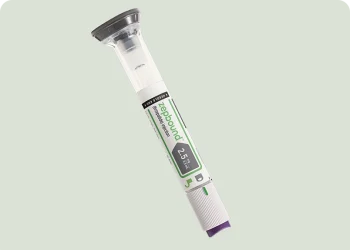
| Zepbound® pen | tirzepatide | ~$1,086 4 | Yes |
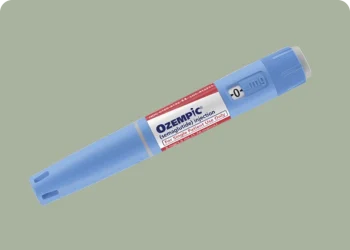
| Ozempic® | semaglutide | ~$998 | No (type 2 diabetes) |
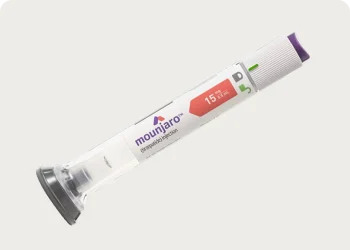
| Mounjaro® | tirzepatide | ~$1,070 | No (type 2 diabetes) |
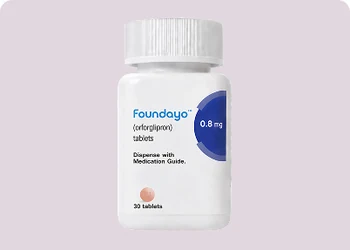
| Foundayo™ pill | orforglipron | self-pay from ~$149 7 | Yes (approved Apr. 2026) |
Ozempic® and Mounjaro® are FDA-approved for type 2 diabetes, not weight loss — their weight-loss-approved twins are Wegovy® (semaglutide) and Zepbound® (tirzepatide); if you're choosing between the molecules, see semaglutide vs. tirzepatide. The newest options are oral pills — the Wegovy® pill (FDA-approved December 2025) 6 and Foundayo™ (orforglipron), Lilly's once-daily pill (approved April 2026) — which add lower-cost self-pay entry points.
Buying Without Insurance: Manufacturer Direct-to-Consumer Programs
The biggest shift over the past two years is that both manufacturers now sell directly to cash-paying patients at a steep discount to list price — often the cheapest route if your insurance won't cover weight-loss treatment.
NovoCare® Pharmacy (Novo Nordisk — Wegovy®). As of June 2026, self-pay patients can get all standard Wegovy® doses (0.25–2.4 mg) for $349 per month, and Wegovy HD 7.2 mg for $399 per month 3. New patients can get the first two fills of the 0.25 mg and 0.5 mg starter doses for $199 each through a limited-time offer running to June 30, 2026, then $349/month 3. The Wegovy® pill launched in early 2026 with a starter offer around $149 per month for the lowest dose 3, 6.
LillyDirect® (Eli Lilly — Zepbound®). As of June 2026, Lilly sells single-dose Zepbound® vials for self-pay at $299/month (2.5 mg), $399/month (5 mg), and $449/month for all higher doses (7.5–15 mg) through its Self Pay Journey Program 4, 5. Those higher-dose prices apply only when you refill within 45 days of your previous delivery — outside that window the 12.5 mg and 15 mg vials cost $849 and $1,049 5. The vials are also drawn into a syringe rather than dialed on a pen, which adds a dosing-accuracy step (see is compounded semaglutide safe for why that format raises dosing-error risk).
TrumpRx.gov. A federal direct-to-consumer platform launched February 5, 2026 that links cash-paying patients to manufacturer discount pages, including Wegovy® and Zepbound® 3, 4. Under the underlying federal agreements, cash prices are expected to start around $350 a month and fall toward roughly $245 over about two years (a target as of June 2026, not a guaranteed current price).
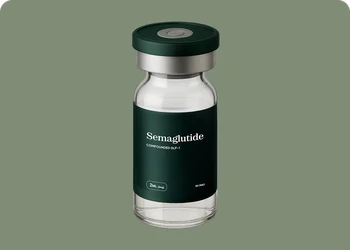
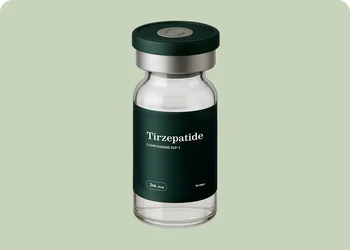
These direct-pay prices are usually far cheaper and safer than gray-market "compounded" sellers — and the legal basis for mass-compounding semaglutide and tirzepatide has largely ended. If you're weighing a cheap online source, read compounded semaglutide safety first.
Will Insurance Cover It? Commercial Plans and Savings Cards
Commercial (employer or marketplace) coverage is a coin flip. Many employer plans cover GLP-1s for type 2 diabetes routinely but exclude or restrict them for weight loss, and a growing number of large employers have dropped weight-loss coverage or added utilization controls because of cost. Plans that do cover the weight-loss indication almost always require prior authorization (see below) and often step therapy — proof you tried diet, lifestyle, or another medication first.
If your commercial plan does cover the drug, the manufacturer savings cards are the key to a low copay (as of June 2026):
- Wegovy® savings card: as little as $25 per month when your plan covers Wegovy, subject to a maximum savings of $100 per 1-month fill, $200 per 2-month fill, or $300 per 3-month fill 3.
- Zepbound® savings card: as little as $25 per fill when your plan covers Zepbound, with a maximum of $100/month and up to $1,300 per calendar year across up to 13 fills; the current card expires December 31, 2026 2, 4.
- Foundayo™ savings card: as little as $25 per month for eligible commercially insured patients (as of June 2026) 7.
Critical eligibility rule: these manufacturer savings cards cannot be used by anyone enrolled in a federal or state program — Medicare, Medicaid, VA, TRICARE, or DoD 3. That exclusion is a major reason older and lower-income patients have historically paid more — and exactly the gap the federal programs below aim to fill.
Medicare and Medicaid: Where Things Stand (June 2026)
Medicare. By statute, standard Medicare Part D has long been prohibited from covering drugs used only for weight loss. As of June 2026, two narrower pathways exist:
- Cardiovascular indication. After the FDA expanded Wegovy's label in March 2024 — based on the SELECT trial, which showed a 20% reduction in major adverse cardiovascular events (cardiovascular death, heart attack, or stroke) in adults with established heart disease and overweight or obesity 1, 9 — CMS allowed Part D plans to cover Wegovy® for cardiovascular risk reduction in enrollees who have established cardiovascular disease and overweight or obesity. It is covered for the heart indication, not for weight loss by itself 1.
- The Medicare GLP-1 Bridge. From July 1, 2026 through December 31, 2027, this short-term federal demonstration gives eligible Part D beneficiaries certain GLP-1 drugs for a $50 monthly copay 8. As of June 2026, the eligible drugs are Wegovy® (injection and tablets), the Zepbound® KwikPen®, and Foundayo™ 8. It operates outside the normal Part D benefit (plans needn't opt in, and the $50 doesn't count toward your deductible or out-of-pocket cap), with BMI tiers — roughly BMI ≥35 alone, ≥30 with a qualifying heart or kidney condition, or ≥27 with prediabetes or established cardiovascular disease 8. Because this is a new, time-limited pilot, confirm current details with your plan.
Medicaid. Coverage is decided state by state. As of early-to-mid 2026, only about 13 state fee-for-service Medicaid programs cover GLP-1s for obesity — down from 16 after several states ended coverage on January 1, 2026 — so roughly 80% of adult Medicaid enrollees live in a state with no obesity-GLP-1 pathway 8. (Medicaid does widely cover these drugs for type 2 diabetes.) Your state's policy is the deciding factor, and it can change with each budget cycle.
How Long Does Prior Authorization Take for Wegovy?
Most commercial plans that cover Wegovy® require prior authorization (PA) — your clinician must submit documentation justifying the prescription before the plan agrees to pay. As of June 2026, a typical PA decision takes about one to three weeks — commonly cited as 5 to 15 business days for most commercial PPO and HMO plans — though the real range runs from as little as 48 hours to more than 30 days depending on the insurer and how complete the paperwork is. (These timelines reflect general payer practice and the absorbed JumpstartMD source rather than a single regulatory standard.) When there is a certified medical urgency, plans can run an expedited review in roughly 72 hours. Medicaid PAs tend to take longer and vary by state.
The single biggest cause of delay is not a slow insurer — it is an incomplete submission. The documentation that most often holds things up includes BMI records, evidence of prior weight-loss attempts, confirmation of a qualifying comorbidity, and contraindication or pancreatitis screening history. Each missing item triggers a request for more information that restarts the clock.
The practical fix is to have your prescription handled by a clinical team that submits a complete PA package the first time. This is a quiet advantage of clinically supervised GLP-1 care over a quick online prescription — the supporting record (labs, BMI documentation, comorbidity confirmation) is already in hand. Treatment eligibility itself is covered in who qualifies for GLP-1 medications.
If You're Denied: Appeals Basics
A denial is not the end of the road. In the closest large-scale data we have, an analysis of Medicare Advantage prior authorizations found that only about 12% of denied requests were ever appealed — but 82% of those appeals were overturned 10. That strongly suggests many initial denials are about missing paperwork rather than a genuine lack of medical need. If you are denied: ask for the specific reason in writing (usually a missing BMI, comorbidity, or step-therapy criterion), request a peer-to-peer review between your clinician and the plan's medical reviewer (often the fastest path to a reversal), and file a formal appeal with the added documentation. If coverage simply isn't available, the manufacturer direct-pay programs above ($349–$449/month as of June 2026) are usually cheaper and safer than gray-market alternatives.
What You Can Do About It
Cost is a clinical issue, not just a billing one — the most expensive outcome is starting a medication you can't sustain, because stopping a GLP-1 abruptly typically leads to substantial weight regain (biology, not willpower, drives the rebound — see weight regain after stopping a GLP-1). Affordability is usually solvable with a few deliberate steps, from easiest to most involved:
- Check your formulary first. Confirm whether your plan covers the weight-loss indication, the diabetes indication, or neither — and whether PA or step therapy applies.
- Apply the manufacturer savings card if you have commercial coverage — the difference between a ~$25 copay and a multi-hundred-dollar one (June 2026).
- Compare direct-pay programs (NovoCare® Pharmacy, LillyDirect®, TrumpRx) if you're uninsured or denied — $349–$449/month is the realistic floor for brand-name treatment as of June 2026.
- Use FSA/HSA dollars where available to pay with pre-tax money.
- Get the PA done right the first time and appeal denials — peer-to-peer review and a complete resubmission reverse a large share of them 10.
- Plan for maintenance, not just the loss phase. A lower maintenance or microdose strategy, decided with your clinician, can lower long-run cost while protecting results — far better than rationing doses or quietly stopping.
Don't let cost push you toward an unverified compounded or counterfeit product — the safety trade-off is real and well documented (see compounded semaglutide safety).
Get Started with JumpstartMD
If the cost of GLP-1 treatment is what's holding you back — or if you've been quoted a flat monthly fee that bundles the medication into one opaque number — it's worth understanding how a clinically supervised program prices care differently.
JumpstartMD was founded in 2007 by Stanford-trained physicians, with programs built around comprehensive labs, hormones, and body composition, and peer-reviewed outcomes published in the Journal of Obesity. You're seen face-to-face by licensed clinicians — in person at 14 California locations or online across California — not routed through an anonymous prescription mill. Every plan starts with a 60-biomarker lab screening and InBody® body composition scanning at each visit, which tracks lean mass so you lose fat, not strength (without supervision, up to 40% of weight lost on GLP-1s can be muscle). InBody scans are done in clinic; online members can book one at any of the 14 locations.
JumpstartMD prescribes the full range of FDA-approved options — Ozempic®, Wegovy®, Zepbound®, Mounjaro®, and Rybelsus® — alongside non-GLP-1 and no-medication plans, with flexible dosing, microdosing, clinician-managed titration, contraindication screening, drug-interaction monitoring, restart protocols, and a step-down/taper plan to protect results. Crucially, medication pricing is personalized — you pay for the dose you're prescribed, not a flat monthly medication fee — and health coaching and nutrition guidance are included in membership. Because the clinical record is built from the first visit, prior authorization and appeals tend to go more smoothly than with a bare online prescription.
If you want a clear picture of what treatment will actually cost — coverage check, savings programs, and a sustainable dose plan included — start with a free, no-obligation consultation by phone or through our online form.
Book FREE Consultation
Share your details and a JumpstartMD team member will reach out shortly. Or call 408.478.3496 for your free, no-obligation consultation.
Share your details and a JumpstartMD team member will reach out when we open — or start online right now.
Related Articles
- Who qualifies for GLP-1 weight-loss medication — insurance eligibility and clinical eligibility are two different things; this explains the clinical side.
- Is compounded semaglutide safe? — the cheaper gray-market route and why the savings can cost you.
- Semaglutide vs. tirzepatide — drug choice affects both price and coverage; compare the options.
- Clinically supervised GLP-1 care — what supervision includes and why it smooths prior authorization.
- Weight regain after stopping a GLP-1 — why stopping for cost backfires, and how to plan maintenance instead.
- GLP-1 dose titration — maintenance and microdosing strategies that can lower long-run cost.
Frequently Asked Questions
How much does Zepbound cost with and without insurance?
As of June 2026, Zepbound®'s list price is roughly $1,086 per month 4. With commercial insurance that covers it, the savings card can bring your cost to as little as $25 per fill (up to $1,300/year) 2, 4. Without insurance, LillyDirect® sells single-dose vials for $299/month (2.5 mg), $399/month (5 mg), and $449/month for higher doses when refilled within 45 days 4, 5.
How long does prior authorization take for Wegovy?
As of June 2026, most commercial plans take about 5 to 15 business days to decide a Wegovy® prior authorization, though the range runs from roughly 48 hours to more than 30 days depending on the insurer and how complete the submission is. Medical-urgency requests can be expedited to about 72 hours. The most common cause of delay is missing documentation — BMI records, prior weight-loss attempts, comorbidity confirmation, or screening history — which restarts the review. Having a clinical team submit a complete package the first time is the fastest path to approval.
Does Medicare cover Wegovy or Zepbound for weight loss?
Not for weight loss alone. As of June 2026, standard Medicare Part D is barred from covering drugs used solely for weight loss. However, Wegovy® can be covered under Part D for cardiovascular risk reduction in enrollees with established heart disease and overweight or obesity (an FDA indication added in March 2024) 1. Separately, the new Medicare GLP-1 Bridge offers eligible beneficiaries Wegovy®, the Zepbound® KwikPen®, and Foundayo™ for $50/month from July 1, 2026 through December 31, 2027 8.
Why can't I use the manufacturer savings card with Medicare or Medicaid?
Federal rules bar manufacturer copay/savings cards for anyone enrolled in a federal or state health program — Medicare, Medicaid, VA, TRICARE, or DoD 3. The new $50 Medicare GLP-1 Bridge and the cardiovascular-indication pathway are designed to fill that gap as of June 2026.
What if my insurance denies coverage?
Denials are frequently reversible. In Medicare Advantage data, only about 12% of denied prior authorizations were appealed, but 82% of those appeals were overturned 10. Ask for the denial reason in writing, request a peer-to-peer review, and resubmit with the missing documentation. If coverage truly isn't available, the manufacturer direct-pay programs ($349–$449/month as of June 2026) are usually cheaper and far safer than unverified compounded sources.
Is it cheaper to use a compounded GLP-1?
It can look cheaper up front, but as of June 2026 the legal basis for mass-compounding semaglutide and tirzepatide has largely ended, and compounded products aren't FDA-reviewed for potency, purity, or dosing accuracy. With brand-name self-pay now around $349–$449/month, the price gap has narrowed while the safety gap has not. See is compounded semaglutide safe.
References
- U.S. Food and Drug Administration, "FDA approves first treatment to reduce risk of serious heart problems specifically in adults with obesity or overweight," Mar. 8, 2024, [Online]. Available: https://www.fda.gov/news-events/press-announcements/fda-approves-first-treatment-reduce-risk-serious-heart-problems-specifically-adults-obesity-or. [Accessed: Jun. 10, 2026]. ↩
- Eli Lilly and Company, "Zepbound cost information — with or without insurance," [Online]. Available: https://pricinginfo.lilly.com/zepbound. [Accessed: Jun. 10, 2026]. ↩
- Novo Nordisk, "Wegovy (semaglutide) cost, coverage, & savings resources," NovoCare®, [Online]. Available: https://www.novocare.com/patient/medicines/wegovy.html. [Accessed: Jun. 10, 2026]. ↩
- Eli Lilly and Company, "Authentic Zepbound (tirzepatide) shipped to you," LillyDirect®, [Online]. Available: https://www.lilly.com/lillydirect/medicines/zepbound. [Accessed: Jun. 10, 2026]. ↩
- Eli Lilly and Company, "Lilly lowers the price of Zepbound (tirzepatide) single-dose vials," investor news release, [Online]. Available: https://investor.lilly.com/news-releases/news-release-details/lilly-lowers-price-zepboundr-tirzepatide-single-dose-vials. [Accessed: Jun. 10, 2026]. ↩
- Novo Nordisk, "FDA approves Novo Nordisk's Wegovy pill, the first and only oral GLP-1 for weight loss in adults," company announcement, Dec. 22, 2025, [Online]. Available: https://www.novonordisk.com/news-and-media/news-and-ir-materials.html. [Accessed: Jun. 10, 2026]. ↩
- Eli Lilly and Company, "FDA approves Lilly's Foundayo (orforglipron), the only GLP-1 pill for weight loss that can be taken any time of day without food or water restrictions," Apr. 1, 2026, [Online]. Available: https://investor.lilly.com/news-releases/news-release-details/fda-approves-lillys-foundayotm-orforglipron-only-glp-1-pill. [Accessed: Jun. 10, 2026]. ↩
- Centers for Medicare & Medicaid Services, "Medicare GLP-1 Bridge," [Online]. Available: https://www.cms.gov/medicare/coverage/prescription-drug-coverage/medicare-glp-1-bridge. [Accessed: Jun. 10, 2026]. ↩
- A. M. Lincoff, K. Brown-Frandsen, H. M. Colhoun, et al., "Semaglutide and cardiovascular outcomes in obesity without diabetes (SELECT)," New England Journal of Medicine, vol. 389, no. 24, pp. 2221-2232, Dec. 2023, [Online]. Available: https://doi.org/10.1056/NEJMoa2307563. PMID: 37952131. [Accessed: Jun. 10, 2026]. ↩
- J. Biniek, T. Neuman, et al., "Nearly 50 million prior authorization requests were sent to Medicare Advantage insurers in 2023," KFF, Jan. 2025, [Online]. Available: https://www.kff.org/medicare/nearly-50-million-prior-authorization-requests-were-sent-to-medicare-advantage-insurers-in-2023/. [Accessed: Jun. 10, 2026]. ↩