


In a Nutshell
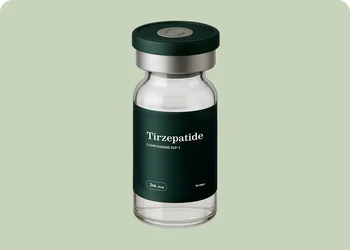
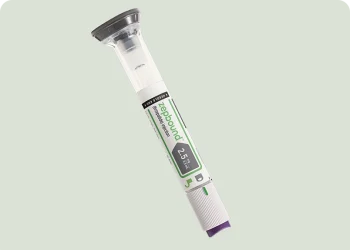
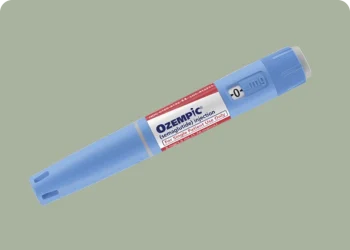
The most common side effects of GLP-1 medications — semaglutide (Ozempic®, Wegovy®, Rybelsus®) and tirzepatide (Mounjaro®, Zepbound®) — are gastrointestinal: nausea, diarrhea, vomiting, and constipation. They are usually mild to moderate, they cluster in the weeks right after you start or move up to a higher dose, and for most people they fade as the body adjusts. In the pivotal trials, nausea affected about 44% of people on Wegovy and 28% on the highest dose of Zepbound, versus roughly 8-16% on placebo 1, 2. Serious side effects exist but are far less common, and the medications also carry a boxed warning about thyroid C-cell tumors that makes certain people ineligible 1, 2.
Reassuringly, side effects are mostly manageable and predictable, not random. Fewer than 1 in 13 people in the Wegovy obesity trials stopped treatment because of side effects (6.8%, versus 3.2% on placebo) 1; the Zepbound figures were 4.8-6.7% across doses (versus 3.4%) 2. The biggest driver of how rough or smooth your first months feel is how the dose is escalated and how symptoms are managed — exactly what supervised care is for.
This page is the map: it covers the full landscape by frequency and flags when a symptom is expected versus dangerous. For the deeper how-to on each problem, follow the links to the dedicated spokes on nausea and digestive side effects, serious side effects and red flags, blood sugar effects, mood and mental health, and muscle loss prevention.
The Side-Effect Landscape, by Frequency
Most GLP-1 side effects trace back to one mechanism: these drugs slow gastric emptying — food leaves your stomach more slowly — and act on appetite centers in the brain 1, 2. That is also how they curb appetite and "food noise" (see how GLP-1 medications work). The same slowed digestion that helps you eat less is what produces nausea, fullness, reflux, and altered bowel habits.
The table below shows the most common adverse reactions in the FDA prescribing information for Wegovy (semaglutide 2.4 mg) and Zepbound (tirzepatide 15 mg, the top maintenance dose), each vs. placebo. These are obesity-trial numbers; the diabetes products (Ozempic®, Mounjaro®) show broadly similar GI profiles at comparable doses.
| Side effect | Wegovy 2.4 mg | Placebo | Zepbound 15 mg | Placebo |
|---|---|---|---|---|
| Nausea | 44% | 16% | 28% | 8% |
| Diarrhea | 30% | 16% | 23% | 8% |
| Vomiting | 24% | 6% | 13% | 2% |
| Constipation | 24% | 11% | 11% | 5% |
| Abdominal pain | 20% | 10% | 10% | 5% |
| Dyspepsia (indigestion) | 9% | 3% | 10% | 4% |
| Fatigue | 11% | 5% | 7% | 3% |
| Headache | 14% | 10% | — | — |
| Dizziness | 8% | 4% | 4% (15 mg) | 2% |
| Burping (eructation) | 7% | <1% | 5% | 1% |
| Acid reflux (GERD) | 5% | 3% | 5% | 2% |
| Hair loss | — | — | 5% | 1% |
| Injection-site reactions | — | — | 8% | 2% |
Sources: Wegovy prescribing information, adults with obesity or overweight 1; Zepbound prescribing information, pooled SURMOUNT-1 and SURMOUNT-2 data 2.
A few patterns worth noting:
- GI symptoms dominate. The reactions that rise most above placebo are nausea, vomiting, diarrhea, and constipation. In the Zepbound trials, 56% of patients reported a GI side effect at some point versus 30% on placebo 2; in the Wegovy STEP-1 trial it was 74% versus 48% 3. Common does not mean severe — most were mild to moderate.
- Hair loss (telogen effluvium), on the Zepbound label at 5%, is usually temporary shedding linked to rapid weight loss rather than the drug itself, and typically recovers.
- Hypoglycemia (low blood sugar) is mainly a concern when a GLP-1 is combined with insulin or a sulfonylurea, not when used alone for weight loss — see blood sugar effects 1.
- "Ozempic face" and "Ozempic burps" are popular names for things already on this list: facial volume loss is a consequence of fat loss, not a unique toxicity, and the burping is eructation.
When Side Effects Hit: The Titration Timeline
The single most important thing to understand about GLP-1 side effects is when they happen. They are front-loaded onto dose increases. GLP-1 medications are started low and stepped up over weeks precisely so the gut can adapt — see dosing and titration for the week-by-week ladders.
Both manufacturers' data say the same thing: the majority of nausea, vomiting, and diarrhea occur during dose escalation and decrease over time 2. In the STEP-1 trial, GI events were "typically transient and mild-to-moderate in severity and subsided with time" 3. In practice, the first few weeks after each step-up is when you are most likely to feel queasy or full, and symptoms usually settle within days to a couple of weeks at a given dose. That is why a clinician will often hold your dose rather than push higher if you are struggling — and why people who escalate too fast (common with self-titrated compounded products) tend to have a rougher ride. The goal is the lowest dose that controls appetite and produces results, not the maximum dose on the label.
Are GLP-1 Side Effects Permanent?
For the vast majority of people, no. The common gastrointestinal side effects are tied to the drug being in your system and to the adjustment period; they generally ease as you stabilize on a dose and resolve after stopping, consistent with the trial data describing them as transient 3. A few nuances matter:
- Hair shedding from fast weight loss usually reverses over months once weight stabilizes and protein intake is adequate.
- Gallstones can form during rapid weight loss (with or without a GLP-1) and, if they cause disease, may need treatment that doesn't reverse when you stop the drug 2. See serious side effects and red flags.
- Muscle loss is the one with potentially lasting consequences if ignored — a meaningful share of GLP-1 weight loss can be lean tissue, which is hard to rebuild later. It is preventable with protein and resistance training; see muscle loss prevention.
- Weight regain isn't a toxicity, but it is the predictable result of stopping, because appetite biology rebounds. See weight regain after stopping.
The Boxed Warning and Who Should Not Take a GLP-1
Both semaglutide and tirzepatide carry the FDA's most serious warning — a boxed warning — about thyroid C-cell tumors. In rodents, these drugs caused thyroid C-cell tumors, including medullary thyroid carcinoma (MTC); whether they do so in humans is unknown, because the human relevance of the rodent findings has not been determined 1, 2.
Because of this, GLP-1 medications are contraindicated (must not be used) in people with a personal or family history of medullary thyroid carcinoma (MTC), Multiple Endocrine Neoplasia syndrome type 2 (MEN 2), or a known serious allergy to the medication or its ingredients 1, 2. They are also not recommended in pregnancy and should be stopped if pregnancy occurs; semaglutide should be discontinued at least 2 months before a planned pregnancy because of its long half-life 1. Eligibility, BMI thresholds, and the full contraindication checklist are on who qualifies.
Beyond the contraindications, the labels list warnings and precautions a prescriber screens for and monitors: acute pancreatitis, acute gallbladder disease, acute kidney injury (usually from dehydration after severe vomiting or diarrhea), hypoglycemia when combined with insulin or sulfonylureas, hypersensitivity reactions, diabetic retinopathy complications in people with type 2 diabetes, and — added to the Zepbound label in 2026 — pulmonary aspiration during anesthesia or deep sedation, because slowed gastric emptying can leave food in the stomach before a procedure 1, 2. The Wegovy label additionally flags a possible heart-rate increase 1. These rare but serious problems get their own page: serious side effects and red flags.
On mood and mental health: early reports questioned whether GLP-1s might affect mood or suicidal thinking. The Wegovy label still advises monitoring for depression or suicidal thoughts 1, while the Zepbound label removed its suicidal-behavior warning in 2026 after review found no established causal link. Either way, mental-health changes are worth tracking — see mood and mental health.
Is This Normal? When to Call Your Clinician
Most early GI symptoms are expected and self-limited. Reach out to your clinician — not the emergency room, but soon — if:
- Nausea, vomiting, or diarrhea won't let you keep fluids down, or lasts more than a few days. Dehydration is the most common route to a dangerous complication (kidney injury) on these drugs 1, 2.
- Constipation isn't responding to fluids, fiber, and movement — start with the nausea and digestive side effects management guide.
- Symptoms flare badly with each dose increase — the signal to slow titration, not push through.
- You are scheduled for surgery, endoscopy, or any procedure with sedation. Tell the anesthesia and surgical team you are on a GLP-1; current multisociety guidance individualizes whether to hold a dose rather than automatically stopping it 6.
- You take insulin or a sulfonylurea and notice shakiness, sweating, or lightheadedness — possible low blood sugar 1.
"Common" is not the same as "you have to suffer through it" — bothersome side effects are a reason to adjust the plan.
Red Flags — Seek Care Now
Stop the medication and seek urgent or emergency care if you have:
- Severe, persistent abdominal pain — especially pain in the upper abdomen that may radiate to the back, with or without vomiting. This can signal pancreatitis 1, 2.
- Pain in the upper-right abdomen, fever, or yellowing of the skin or eyes — possible gallbladder disease 2.
- Signs of a serious allergic reaction: swelling of the face, lips, tongue, or throat; trouble breathing; hives — possible anaphylaxis or angioedema 1, 2.
- Inability to keep down any fluids, very little urine, dizziness on standing — dehydration and possible kidney injury 1, 2.
- Severe constipation with abdominal swelling, vomiting, and no passage of gas or stool — possible bowel obstruction.
- Severe low blood sugar (confusion, fainting) if you also use insulin or a sulfonylurea 1.
When in doubt, err toward being seen. The detailed "ER now vs. call today" triage is on serious side effects and red flags.
What You Can Do About It
Side effects respond well to a tiered approach — most of it is practical, and the rest belongs with your clinician.
1. Everyday self-care (first line, low risk):
- Eat smaller, slower meals and stop at "satisfied," not "full" — a slowed stomach fills faster.
- Favor bland, lower-fat foods when nauseated; fatty or fried meals sit heaviest.
- Hydrate steadily through the day, which also eases constipation and protects your kidneys.
- For constipation: add fiber and movement, and a stool softener if your clinician approves.
- Protect muscle from day one: prioritize protein and resistance training, so the weight you lose is fat, not strength — see muscle loss prevention.
2. Dose and medication adjustments (clinician-directed):
- Slow the titration or hold your current dose. Pacing the dose to your tolerance, not the calendar, is the most effective lever for GI side effects 2, 3. Never adjust your own dose — see dosing and titration.
- Anti-nausea or reflux medication for a few weeks during the worst of it, where appropriate.
- Review your other medications, since slowed gastric emptying can change how some oral drugs are absorbed 1, 2.
3. The supervision layer: contraindication screening before the first prescription, lab work, and ongoing monitoring catch the rare serious problems early and keep the common ones from escalating — the core of clinically supervised GLP-1 care.
Keep the benefits in view alongside the risks. These are genuinely effective therapies: tirzepatide produced an average ~21% body-weight reduction at the top dose in its pivotal obesity trial 4, and semaglutide reduced major cardiovascular events in adults with overweight or obesity and established heart disease, even without diabetes 5. For most appropriate candidates, the manageable side-effect profile is the price of a real result — and good supervision keeps the trade-off favorable.
Get Started with JumpstartMD
If side effects are making you wonder whether GLP-1 treatment is sustainable, the answer is usually not "stop" — it is "do this with the right support." JumpstartMD was founded in 2007 by Stanford-trained physicians, with programs built around labs, hormones, and body composition and peer-reviewed outcomes published in the Journal of Obesity. You are seen face-to-face by licensed clinicians — in person at 14 California locations or online across California — not processed through an anonymous prescription mill.
Care starts with a 60-biomarker lab screening and contraindication screening before any prescription is written, so the thyroid-history, pancreatitis, and gallbladder risks above are addressed before, not after. Every visit includes an InBody® body-composition scan that tracks lean mass — important because up to 40% of weight lost on GLP-1s can be muscle without supervision. Your clinician titrates to the lowest effective, best-tolerated dose, monitors for drug interactions, and has restart and step-down protocols if you pause or eventually taper off.
JumpstartMD offers the full range of FDA-approved options — Ozempic®, Wegovy®, Zepbound®, Mounjaro®, and Rybelsus® — plus non-GLP-1 and no-medication plans, with flexible dosing, microdosing, and maintenance support. Pricing is personalized: you pay for the dose prescribed, not a flat monthly medication fee, and health coaching and nutrition guidance are included in membership — your front line against the nausea, constipation, and muscle-loss issues above.
Ready to start, or to fix side effects on a plan you already have? Book a free, no-obligation consultation by phone or online form, and we'll build a plan around how your body actually tolerates treatment.
Book FREE Consultation
Share your details and a JumpstartMD team member will reach out shortly. Or call 408.478.3496 for your free, no-obligation consultation.
Share your details and a JumpstartMD team member will reach out when we open — or start online right now.
Related Articles
- Nausea and digestive side effects — the deep-dive on managing the most common problems: nausea, constipation, diarrhea, and reflux.
- Serious side effects and red flags — pancreatitis, gallbladder disease, bowel obstruction, and the "go to the ER now" triage.
- Blood sugar effects — when hypoglycemia is a real risk and how GLP-1s affect glucose.
- Mood and mental health — what the evidence says about GLP-1s, mood, and the changing label warnings.
- Muscle loss prevention — protecting lean mass so you lose fat, not strength.
- Dosing and titration — why slow escalation is the key to tolerability.
Start with the pillar overview: GLP-1 medications for weight loss.
Frequently Asked Questions
What are the most common side effects of GLP-1 medications?
Gastrointestinal symptoms, by a wide margin: nausea, diarrhea, vomiting, and constipation, along with abdominal pain, indigestion, fatigue, and burping. In the obesity trials, nausea was reported by about 44% of people on Wegovy and 28% on the top dose of Zepbound, versus 8-16% on placebo 1, 2. Most cases are mild to moderate and improve with time.
Are GLP-1 side effects permanent?
For most people, no. The common digestive side effects are tied to the drug and the adjustment period, and they generally fade as you stabilize on a dose and resolve after stopping 3. The exceptions to watch are gallstones that may need treatment, and muscle loss, which can be lasting if you don't protect lean mass with protein and resistance training 2 — see muscle loss prevention.
Do Ozempic and Zepbound have different side effects?
The profiles are similar because both slow gastric emptying, but the numbers differ a little. Tirzepatide (Zepbound, Mounjaro) tends to show somewhat lower vomiting rates than high-dose semaglutide in trials, while nausea, diarrhea, and constipation appear on both 1, 2. Individual tolerance varies more than the brand averages, which is why some people switch between them — see semaglutide vs. tirzepatide.
Who should not take a GLP-1 medication?
Anyone with a personal or family history of medullary thyroid carcinoma (MTC) or Multiple Endocrine Neoplasia type 2 (MEN 2), or a known serious allergy to the drug, must not use these medications because of the boxed thyroid warning 1, 2. They are also avoided in pregnancy 1. A clinician screens for these and for pancreatitis and gallbladder risk before prescribing — see who qualifies.
How many people stop GLP-1s because of side effects?
Should I stop my GLP-1 before surgery?
Tell your surgical and anesthesia team you are on a GLP-1 — slowed gastric emptying can raise aspiration risk under sedation 2. Current multisociety guidance favors individualized decisions (based on your dose, how recently it was escalated, and the procedure) over automatically stopping the medication for everyone 6.
References
- U.S. Food and Drug Administration, "Highlights of Prescribing Information: Wegovy (semaglutide) injection, for subcutaneous use," rev. Mar. 2024, [Online]. Available: https://www.accessdata.fda.gov/drugsatfda_docs/label/2024/215256s011lbl.pdf. [Accessed: Jun. 10, 2026]. ↩
- Eli Lilly and Company, "Highlights of Prescribing Information: Zepbound (tirzepatide) injection, for subcutaneous use," rev. Apr. 2026, [Online]. Available: https://pi.lilly.com/us/zepbound-uspi.pdf. [Accessed: Jun. 10, 2026]. ↩
- J. P. H. Wilding, R. L. Batterham, S. Calanna, et al., "Once-weekly semaglutide in adults with overweight or obesity," New England Journal of Medicine, vol. 384, no. 11, pp. 989-1002, Mar. 2021, [Online]. Available: https://doi.org/10.1056/NEJMoa2032183. PMID: 33567185. [Accessed: Jun. 10, 2026]. ↩
- A. M. Jastreboff, L. J. Aronne, N. N. Ahmad, et al., "Tirzepatide once weekly for the treatment of obesity," New England Journal of Medicine, vol. 387, no. 3, pp. 205-216, Jul. 2022, [Online]. Available: https://doi.org/10.1056/NEJMoa2206038. PMID: 35658024. [Accessed: Jun. 10, 2026]. ↩
- A. M. Lincoff, K. Brown-Frandsen, H. M. Colhoun, et al., "Semaglutide and cardiovascular outcomes in obesity without diabetes," New England Journal of Medicine, vol. 389, no. 24, pp. 2221-2232, Dec. 2023, [Online]. Available: https://doi.org/10.1056/NEJMoa2307563. PMID: 37952131. [Accessed: Jun. 10, 2026]. ↩
- T. L. Kindel, A. Y. Wang, A. Wadhwa, et al., "Multisociety clinical practice guidance for the safe use of glucagon-like peptide-1 receptor agonists in the perioperative period," Clinical Gastroenterology and Hepatology, vol. 23, no. 12, pp. 2083-2085, 2025, [Online]. Available: https://doi.org/10.1016/j.cgh.2024.10.003. PMID: 39482213. [Accessed: Jun. 10, 2026]. ↩