



In a Nutshell
Nausea is the single most common side effect of GLP-1 medications for weight loss, and the good news is that for most people it is temporary, mild-to-moderate, and manageable. In the pooled analysis of the STEP 1, 2, and 3 trials, 44% of patients taking semaglutide 2.4 mg (Wegovy®) reported nausea at some point — but 98.1% of all gastrointestinal (GI) events were mild to moderate, and only 4.3% of patients stopped treatment because of GI side effects 1. An individual bout of nausea lasts a median of about 8 days, and the overall pattern peaks around week 20 — roughly four weeks after you reach the full maintenance dose — then declines noticeably even as you keep taking the medication 1.
In plain terms, nausea tracks your dose escalation: each step up can bring a fresh wave for a week or two, but the intensity usually fades as your body adapts, and most people settle into an occasional nuisance — or stop having it at all. The difference between "white-knuckling it alone" and having a clinician slow your titration, prescribe an anti-nausea medication, and watch for the rare dangerous version is often the difference between staying on treatment and quitting during the hardest weeks. That is exactly where clinically supervised GLP-1 care earns its keep.
Why GLP-1s Cause Nausea and Digestive Upset
GLP-1 receptor agonists work in part by slowing gastric emptying — the rate at which food leaves your stomach — and by acting on appetite and nausea centers in the brain 2. That slowed emptying is a feature, not a bug: it is one reason you feel full sooner and eat less. But a stomach that empties slowly also punishes overfilling — eat a large or high-fat meal, or eat past fullness, and the food sits longer than your body expects, triggering nausea, bloating, reflux, or vomiting.
This explains nearly every GI side effect on the list: slowed transit higher up causes nausea, fullness, and reflux, while altered motility further down causes constipation in some people and diarrhea in others. Because the effect is dose-related, symptoms flare with each increase and ease as your gut adapts. (For the full picture, see how GLP-1 medications work.)
How Long Does Nausea Last on Semaglutide?
This is the question we hear most, so here is the direct answer in two parts.
A single episode of nausea lasts a median of about 8 days in semaglutide-treated patients — notably, the same 8-day median seen in the placebo group, which is a reminder that not every queasy spell is the drug 1. Vomiting episodes are shorter (median 2 days) and diarrhea episodes shorter still (median 3 days) 1.
The overall arc — how long nausea stays a recurring part of your treatment — maps directly onto the dose-escalation schedule. In the pooled STEP analysis, nausea prevalence peaked around week 20 (about four weeks after reaching the maintenance dose) and then showed what the researchers called a "prominent decline" even as patients continued the medication 1. Each dose increase creates a new wave of adaptation; once your body adjusts to the top dose, the signals that trigger nausea gradually quiet down.
Semaglutide (Wegovy) follows a standardized 16-week titration, and the nausea pattern follows it step by step 2:
| Weeks | Weekly dose | What to expect |
|---|---|---|
| 1–4 | 0.25 mg | Starting dose. Nausea may begin but is usually mild. |
| 5–8 | 0.5 mg | First increase. Nausea often intensifies. |
| 9–12 | 1.0 mg | Second increase. GI effects may peak for some. |
| 13–16 | 1.7 mg | Third increase. Common window for dose-related nausea. |
| 17+ | 2.4 mg | Maintenance (1.7 mg is an alternative if needed). Nausea typically declining. |
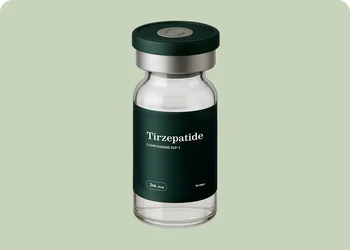
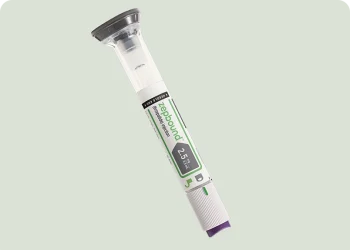
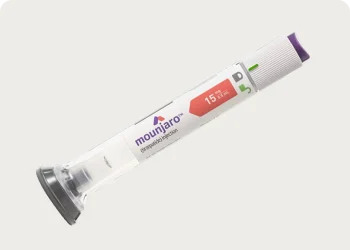
Practically, if you start semaglutide and develop nausea, expect intermittent bouts of about a week each, concentrated in the first 4–5 months, that become less frequent and less intense as you go. Most people who make it through escalation report that nausea either resolves entirely or fades to the occasional bad day. The same principle applies to tirzepatide (Mounjaro®/Zepbound®), whose label likewise notes that most nausea, vomiting, and diarrhea occur during dose escalation and decrease over time 5.
How Common Are GI Side Effects?
Nausea leads the list, but it is not the only digestive complaint. Here are the pooled rates from the Wegovy prescribing information (semaglutide 2.4 mg vs. placebo), based on 2,116 semaglutide-treated and 1,261 placebo-treated adults in the STEP program 2:
| Side effect | Semaglutide 2.4 mg | Placebo |
|---|---|---|
| Nausea | 44% | 16% |
| Diarrhea | 30% | 16% |
| Vomiting | 24% | 6% |
| Constipation | 24% | 11% |
| Abdominal pain | 20% | 10% |
| Dyspepsia (indigestion) | 9% | 3% |
| Abdominal distension (bloating) | 7% | 5% |
Notice that 16% of the placebo group also reported nausea — so some of what people blame on the drug is ordinary background GI noise — and that the drug-vs-placebo gap is widest for nausea (28 points) and vomiting (18 points), the signature effects 2.
Tirzepatide produces a broadly similar profile. In SURMOUNT-1, among adults taking 5/10/15 mg, nausea occurred in 24.6% / 33.3% / 31.0%, diarrhea in 18.7% / 21.2% / 23.0%, constipation in 16.8% / 17.1% / 11.7%, and vomiting in 8.3% / 10.7% / 12.2% — again mostly mild-to-moderate and concentrated during escalation 4. Severity matters as much as frequency: in the semaglutide pooled analysis, only 4.1% of patients had severe nausea (vs. 0.9% on placebo), and 99.5% of GI events were non-serious 1.
The Other Digestive Side Effects: Constipation, Diarrhea, Reflux, and Vomiting
Constipation comes from slowed motility plus reduced food and fluid intake; gradual fiber, good hydration, and activity help most people, with a gentle osmotic laxative if needed. Diarrhea is also dose-related and usually self-limited — bland foods plus fluid and electrolyte replacement is the mainstay, though severe or persistent diarrhea matters because of dehydration risk. Reflux, heartburn, and bloating stem from the same delayed emptying: smaller meals and staying upright after eating are the practical levers.
Vomiting occurred in 24% of semaglutide patients vs. 6% on placebo 2. Occasional vomiting after overeating or a high-fat meal is within the expected range — but persistent vomiting, or any vomiting with severe pain, is a different matter, covered below and in our serious side effects and red flags guide.
Is This Normal? When to Call Your Clinician
Most GLP-1 nausea is a nuisance, not a danger — but knowing the dividing line keeps you safe and keeps you on treatment.
Likely routine adaptation (manage at home, mention at your next visit): mild-to-moderate nausea that waxes and wanes and improves over days, especially in the week or two after a dose increase; mild bloating, occasional vomiting after a heavy meal; constipation responding to fiber and fluids.
Call your clinician's office (same day to within a few days): nausea that is interfering with your ability to eat or stay hydrated; vomiting more than once a day for more than a couple of days; nausea that is getting worse rather than better as the days pass; needing anti-nausea medication for more than about a month at your maintenance dose, which may be a signal to reduce the dose rather than keep medicating around it 3.
Crucially, dose escalation is a clinical decision, not a DIY one. If you are struggling, your clinician can delay the next step, hold or step back your dose, or set a lower maintenance dose — all standard, label-supported moves 235. Never increase your own dose to "push through," and never escalate while still actively nauseous 3. For the full framework, see dosing and titration.
Red Flags — Seek Care Now
Persistent vomiting can masquerade as "normal adjustment" when it is actually signaling something else — pancreatitis, gallbladder disease, a bowel obstruction, or dangerous dehydration. The Wegovy label warns that acute kidney injury has occurred in patients dehydrated by nausea, vomiting, or diarrhea, and that kidney function should be watched especially during dose initiation and escalation 2 — a risk that is higher if you also take diuretics, ACE inhibitors, ARBs, NSAIDs, or SGLT2 inhibitors (see drug interactions).
Get urgent medical care (same-day evaluation or the ER) if you have:
- Severe, constant abdominal pain — especially pain that radiates to the back or steadily worsens (possible pancreatitis)
- Inability to keep fluids down for more than 24 hours
- Signs of dehydration: little or no urination, dark urine, dizziness on standing, fainting, or a racing heart
- Persistent vomiting that does not bring relief or does not improve
- Fever combined with GI symptoms
- Coffee-ground vomit or black, tarry stools (signs of GI bleeding)
When in doubt, the rule is simple: routine GLP-1 nausea improves over days; warning-sign nausea worsens. Our serious side effects and red flags guide explains how clinicians distinguish ordinary GI upset from pancreatitis and other emergencies.
What You Can Do About It
Management works best in tiers: start with diet and habits, layer in dose strategy with your clinician, and add medication when needed 23.
1. Adjust how and what you eat (foods to favor, foods to avoid)
- Eat smaller, more frequent meals and stop at the first sign of fullness — on a GLP-1, fullness means your stomach is genuinely full, and eating past it provokes nausea.
- Choose bland, low-fat foods on rough days (crackers, toast, rice, bananas, broth soups, lean proteins). Foods to avoid on a GLP-1 are the rich, fatty, fried, very sweet, or strongly spiced meals that sit heaviest.
- Stay upright for at least 30 minutes after eating to reduce reflux and nausea.
- Sip clear fluids frequently — water, electrolyte drinks, or ginger tea — since dehydration worsens nausea and starts its own dangerous cascade.
- Avoid strong food odors when queasy; cold or room-temperature foods smell less than hot ones.
- Going protein-first does double duty: it is gentler on the stomach and helps protect lean mass (see preventing muscle loss on GLP-1s).
2. Work the dose with your clinician
- Slow the escalation. Extending time at a dose by an extra 2–4 weeks before stepping up is a standard clinical approach when nausea is significant 3. The goal is the pace your body can adapt to, not the fastest route to the maximum.
- Don't escalate while nauseous. Wait until GI symptoms settle before moving up 3.
- Consider a lower maintenance dose. Not everyone needs to reach the top dose; the Wegovy label lists 1.7 mg as an alternative maintenance dose, and many people get meaningful results below the maximum with far less nausea 2.
3. Add medication when diet isn't enough
- Anti-nausea (antiemetic) medication can be prescribed when nausea meaningfully affects your quality of life or your ability to eat and stay hydrated. (European expert consensus favored domperidone over metoclopramide 3; in the US, where domperidone is not generally available, your clinician selects an appropriate antiemetic.)
- If you still need an antiemetic after about a month at your maintenance dose, guidelines suggest considering a dose reduction rather than indefinitely medicating a side effect your body hasn't adapted to 3.
Get Started with JumpstartMD
If side effects are making you question whether GLP-1 treatment is sustainable, the answer is usually not "quit" — it's "get it managed properly," because most people who abandon these medications do so during dose escalation, the exact window where a clinician's adjustments matter most 1.
JumpstartMD was founded in 2007 by Stanford-trained physicians, with programs built around labs, hormones, and body composition — and peer-reviewed outcomes published in the Journal of Obesity. You're seen face-to-face by licensed clinicians, in person at 14 California locations or online across California, so titration and side-effect management are an ongoing conversation, not a prescription mailed once a month. Baseline screening includes a 60-biomarker lab panel (kidney function, metabolic panels, and liver enzymes among them) plus medication reconciliation — so the team knows before your first dose whether you're at elevated risk for dehydration-related kidney stress, and can monitor accordingly.
When GI side effects show up, your clinician can adjust medication choice, dose, and titration speed to your body's response — ramping more slowly, holding or stepping back a dose, prescribing supportive anti-nausea medication, and folding in nutrition coaching that heads off GI provocation before it starts. Care includes InBody® body-composition scanning at each visit so you lose fat, not muscle (up to 40% of weight lost on GLP-1s can be lean mass without supervision), along with FDA-approved options — Ozempic®, Wegovy®, Zepbound®, Mounjaro®, and Rybelsus® — plus non-GLP-1 and no-medication plans, flexible dosing, microdosing, and maintenance support. Contraindications are screened before any prescription, interactions are monitored, and there's a structured step-down/taper plan to protect your results when the medication phase ends.
Pricing is personalized — you pay for the dose prescribed, not a flat monthly medication fee — and health coaching and nutrition guidance are included in membership. Start with a free, no-obligation consultation by phone or through our online form to find out whether supervised GLP-1 care is right for you.
Book FREE Consultation
Share your details and a JumpstartMD team member will reach out shortly. Or call 408.478.3496 for your free, no-obligation consultation.
Share your details and a JumpstartMD team member will reach out when we open — or start online right now.
Related Articles
- GLP-1 side effects: the full overview — the triage page that maps every side effect by frequency and seriousness.
- Serious side effects and red flags — how to tell ordinary nausea from pancreatitis, gallbladder disease, or obstruction.
- Dosing and titration — why slow escalation exists and how clinicians adjust it around your tolerance.
- How GLP-1 medications work — the delayed-gastric-emptying mechanism behind the nausea.
- Preventing muscle loss on GLP-1s — why protein-first eating protects strength while easing your stomach.
- Do GLP-1s cause low blood sugar? — distinguishing under-eating and dehydration symptoms from true hypoglycemia.
Frequently Asked Questions
How long does semaglutide nausea last in total?
Most nausea is concentrated in the first 20 weeks — the dose-escalation period — and individual episodes last a median of about 8 days 1. After the dose stabilizes, nausea shows a prominent decline even as treatment continues 1. Some people have minimal nausea after the first few months; a small number have intermittent nausea throughout treatment.
Will nausea come back every time I increase my dose?
It can. Each dose escalation creates a fresh adaptation period, and many people feel a wave of nausea for the first week or two at each new level. The intensity usually diminishes step by step. If nausea is severe at a new dose, your clinician can delay the next escalation by a few weeks or temporarily return you to the previous dose 23.
Is it normal to vomit on semaglutide or tirzepatide?
Some vomiting is within the expected range — it occurred in 24% of semaglutide patients vs. 6% on placebo 2, and tirzepatide rates are broadly similar 4. Occasional vomiting after overeating or a high-fat meal is common. But persistent vomiting, inability to keep fluids down for over 24 hours, or vomiting with severe abdominal pain needs same-day medical evaluation — it can signal dehydration heading toward kidney injury, or a condition like pancreatitis or gallbladder disease 2.
What foods should I avoid on a GLP-1 to reduce nausea?
Avoid large meals and rich, fatty, fried, greasy, very sweet, or strongly spiced foods, which sit heaviest in a slowed stomach. Favor smaller portions of bland, low-fat foods — toast, crackers, rice, bananas, broth-based soups, lean proteins — and stop eating at the first sign of fullness. Stay upright after meals and sip fluids steadily through the day.
How can I get fast Ozempic or Wegovy nausea relief?
In the moment: sip clear or cold fluids, stop eating, get fresh air away from strong food smells, and try ginger tea. Going forward, the highest-yield moves are eating smaller bland meals, not escalating your dose while still nauseous, and asking your clinician about slowing titration or prescribing an anti-nausea medication if symptoms are affecting your daily life 3.
Does a GLP-1 cause constipation or diarrhea?
Both happen because the medication changes gut motility. Constipation affected about 24% of semaglutide patients (vs. 11% on placebo) and responds to gradual fiber, fluids, and activity; diarrhea affected about 30% (vs. 16%) and is usually self-limited, with fluid and electrolyte replacement the key step 2. Severe or persistent diarrhea matters mainly because of dehydration risk. Either way, supervised care is what keeps these manageable — most discontinuations happen during escalation, before adaptation occurs 1.
References
- S. Wharton, D. Calanna, M. Davies, et al., "Gastrointestinal tolerability of once-weekly semaglutide 2.4 mg in adults with overweight or obesity, and the relationship between gastrointestinal adverse events and weight loss," Diabetes, Obesity and Metabolism, vol. 24, no. 1, pp. 94-105, Jan. 2022, [Online]. Available: https://doi.org/10.1111/dom.14551. PMID: 34514682. [Accessed: Jun. 10, 2026]. ↩
- Novo Nordisk, "Highlights of Prescribing Information: Wegovy (semaglutide) injection, for subcutaneous use," 2025, [Online]. Available: https://www.novo-pi.com/wegovy.pdf. [Accessed: Jun. 10, 2026]. ↩
- J. J. Gorgojo-Martínez, P. Mezquita-Raya, J. Carretero-Gómez, et al., "Clinical recommendations to manage gastrointestinal adverse events in patients treated with GLP-1 receptor agonists: a multidisciplinary expert consensus," Journal of Clinical Medicine, vol. 12, no. 1, art. 145, Dec. 2022, [Online]. Available: https://doi.org/10.3390/jcm12010145. PMID: 36614945. [Accessed: Jun. 10, 2026]. ↩
- A. M. Jastreboff, L. J. Aronne, N. N. Ahmad, et al., "Tirzepatide once weekly for the treatment of obesity," New England Journal of Medicine, vol. 387, no. 3, pp. 205-216, Jul. 2022, [Online]. Available: https://doi.org/10.1056/NEJMoa2206038. PMID: 35658024. [Accessed: Jun. 10, 2026]. ↩
- Eli Lilly and Company, "Highlights of Prescribing Information: Zepbound (tirzepatide) injection, for subcutaneous use," 2025, [Online]. Available: https://www.accessdata.fda.gov/drugsatfda_docs/label/2025/217806Orig1s020lbl.pdf. [Accessed: Jun. 10, 2026]. ↩